

Key takeaways
- Choose a student karate uniform by picking a fabric weight that suits the child's or adult's training style.
Choose a student karate uniform by picking a fabric weight that suits the child’s or adult’s training style, sizing it with a little growing and shrinking room, and keeping the cut simple until the student has committed to the dojo. A lightweight or medium-weight white gi in a plain, comfortable cut is the right start for most new students.
This guide is written for parents buying a first uniform, adult beginners, and instructors who answer the same questions every season. It explains what to check on a listing, how to avoid sizing surprises, and which upgrades are worth waiting for. It does not name products, so you can use it with whatever your school or favorite supplier carries.
What a Student Uniform Actually Needs to Do
A karate gi has three jobs: let the student move freely through kicks and stances, hold up to repeated washing, and look neat enough to respect the dojo’s standards. The jacket takes stress at the shoulders, underarms and lapels, and the pants take it at the knees and crotch. A beginner does not need competition-grade tailoring, but the uniform should not restrict a high kick or split at the first deep stance.
Most schools also have rules on color, patches and belts. White is the traditional default, though some styles and clubs allow black or other colors. Before ordering, ask the instructor whether the school requires a particular color, a logo patch or a specific supplier. A uniform that fails the dress code can be an expensive mistake, especially for children who may outgrow it in a year.
The Main Decisions
Fabric Weight and Feel
Uniforms are usually grouped as lightweight, medium-weight and heavyweight, and the weight describes the fabric thickness. Lightweight options are cooler and easier to wash, which suits young children and warm dojos. Medium-weight offers a balance of durability and comfort and is a safe middle path for most students. Heavyweight cloth produces a crisp snap on technique and lasts longer, but it feels stiff, is slower to dry and can be tiring for small beginners. Check the fabric description on the listing, and note whether it is pure cotton or a cotton and polyester blend.
Cotton Versus Blends
Pure cotton breathes well and feels natural, but it shrinks more in the wash and wrinkles quickly. Blends resist shrinking and creasing, dry faster and often cost less. The trade-off is slightly less breathability. For a child who trains twice a week and whose uniform lives in a gym bag, a blend or a pre-washed cotton can be easier to manage. Adults who sweat heavily may prefer cotton-rich fabric for comfort.
Sizing and Shrinkage
Karate uniforms are often sized by height rather than clothing size, with numbered sizes that follow a chart from the maker. Measure the student’s height and compare it with that chart, then read the shrinkage note. Sleeves should end around the wrist or a little above, and pants should reach the ankle bone, with a small allowance for cotton shrinking. Buying a size up to grow into leads to sleeves that hide the hands and pants that trip the student on stairs. A modest allowance of one size at most is usually plenty, and cuffs can be rolled while the child grows.
Cut and Closure Style
Jackets close with ties, a drawstring or sometimes a snap system, depending on the style. Drawstring pants are common, and an elastic-and-drawstring waist is easier for small children to manage on their own. Look for reinforced stitching at stress points and a lapel that lies flat. A simple cut is fine; elaborate tailoring matters mostly for competition.
Comparing Common Uniform Types
| Type | Typical feel | Best suited for | Watch out for |
|---|---|---|---|
| Lightweight gi | Thin, cool, quick to dry | Young children and warm rooms | Wears out sooner with heavy use |
| Medium-weight gi | Balanced, moderately stiff | Most beginner and intermediate students | Check shrinkage notes |
| Heavyweight gi | Thick, crisp, durable | Committed adults and demo teams | Hot and tiring for small students |
| Cotton blend gi | Smooth, resists wrinkles | Frequent washing, travel | Less breathable than pure cotton |
| Pre-washed cotton gi | Softer from day one | Students who dislike stiff cloth | Sizing may run slightly different |
Before You Buy Checklist
- Ask the instructor about color, patch and supplier requirements.
- Measure height and compare with the maker’s size chart, not a clothing size.
- Choose fabric weight based on room temperature and class frequency.
- Read the shrinkage and washing instructions before ordering.
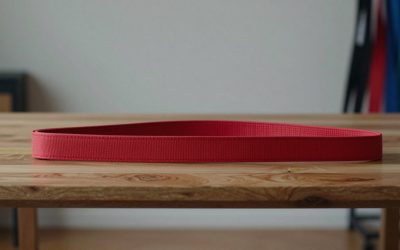
- Confirm that a belt is included or must be bought separately.
- Look for reinforced stitching at the shoulders, knees and crotch.
- Check the return and exchange policy for sizing issues.
- Plan a second uniform if the student trains more than twice a week.
Care, Fit Checks and When to Upgrade
Wash a new uniform according to the label, and wash it before the first class so you can see how much it shrinks. Cold water and air drying prolong cotton fabric life, and storing the gi flat or folded neatly keeps wrinkles down. Tie the belt the way your school teaches, and avoid washing the belt often, since some dojos treat a worn belt as a sign of experience.
When trying on the uniform, ask the student to do a deep horse stance, a high front kick and a full arm reach. Watch for pulling at the shoulders, pants riding up or a jacket that gapes. Children grow quickly, so check the fit every season rather than waiting for the sleeves to look obviously short. Upgrades make sense when a student competes, joins a demonstration team or trains several times a week. Until then, a sturdy mid-range uniform is more useful than a premium one, and in 2026 plenty of makers publish clear size charts that make it easier to get this right.
Matching the Uniform to the Student
Young children, teens and adults have different needs. Children under about ten tend to value comfort and independence: a soft fabric, a waistband they can fasten themselves and a jacket that stays closed without constant adjusting. Teens often grow in sudden bursts, so a mid-range uniform with a clear size chart and an easy exchange policy beats an expensive one. Adults who train more often usually appreciate sturdier stitching and fabric that survives frequent washing.
Climate and training space matter as well. A cold, drafty hall may call for a slightly thicker fabric and a long-sleeved shirt underneath, if the school allows it. A hot, crowded room favors breathable material. Students with sensitive skin should look for soft finishes and check whether the fabric is treated, since some stiff new cloth can irritate the neck and wrists until it is washed a few times.
Common Mistakes to Avoid
The biggest one is buying too large. Oversized sleeves catch on blocks, pants drag and the student feels clumsy. The second is ignoring school rules and arriving with the wrong style or color. The third is assuming heavyweight fabric is always better, when a thin child in a stuffy dojo may find it exhausting. Finally, many families forget to wash and size-test before the first class, which leaves no time to exchange.
Related guides
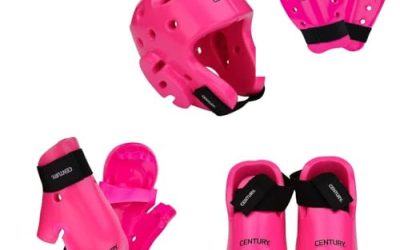
- How To Size Karate Sparring Gloves And Shin Guards
- How To Practice Karate At Home Without A Partner
- Puzzle Foam Mats For Home Karate Practice
Frequently Asked Questions
What weight of karate uniform is best for a beginner?
Lightweight or medium-weight is usually the most comfortable start. They are easy to wash, breathe better and cost less if the student decides to stop. Heavyweight suits students who have trained for a while and want a crisper feel.
Should I buy a uniform a size larger so my child can grow into it?
A little extra room is fine, but going too large causes tripping and restricts movement. Choose the size that matches the child’s height on the chart and roll the cuffs if needed. Many parents find it easier to replace the uniform when a growth spurt arrives.
Does the belt come with the uniform?
Many uniforms include a white belt, but some do not, so check the listing. Schools often give or sell the belts themselves, and belt rank changes through testing. Confirm with the instructor before buying a separate one.
How many uniforms does a student need?
One is enough for a student who trains once or twice a week and can wash between classes. A second gives you flexibility if the student trains more often or attends seminars. Keep the extra simple and matching so it does not break dojo rules.
More from Amazon
Programs that pair well with the guide above. Offers and eligibility are set by Amazon and may change.
Free shipping on eligible items, Prime Video and more. Eligible new members can start with a free trial.
Start a Prime free trialA Prime membership for ages 18-24 with a trial period. Eligibility is set by Amazon.
See Prime for Young AdultsAudiobooks and podcasts to listen to on the go. Eligible new members can start with a free trial.
Try Audible freeAd-free music streaming. Eligible new subscribers can start with a free trial.
Try Music Unlimited freeAs an Amazon Associate we earn from qualifying purchases.

Write Your Review
No reviews yet. Be the first to share your experience!