

Key takeaways
- Sparring gloves and shin guards should fit snugly without cutting off circulation or limiting movement: gloves are sized by hand length or palm.
Sparring gloves and shin guards should fit snugly without cutting off circulation or limiting movement: gloves are sized by hand length or palm circumference plus the sizing chart, and shin guards by the length from just below the knee to the top of the foot. Get either one wrong and you lose protection, comfort, or both.
Fit matters more in sparring gear than in most equipment, because loose pads slide on impact and tight pads restrict blocking. This guide covers how to measure, what each fit should feel like, how to size for kids and teens who keep growing, and what to check before the gear goes into your bag for class.
Understand What Sparring Gear Is Meant to Do
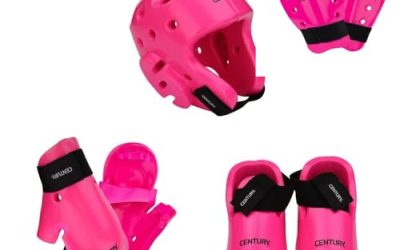
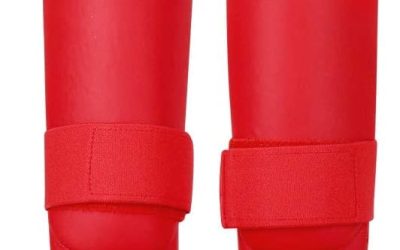
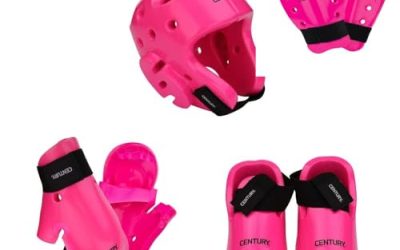
Sparring gloves in karate are usually lighter and more open than boxing gloves. They protect knuckles and the hand of your partner while leaving fingers and thumb free enough to grip and block. Shin guards cover the front of the lower leg, and many versions extend over the top of the foot. Both pieces depend on a stable fit; padding that rotates when you strike cannot protect the intended area.
Rules vary by school and tournament. Some rulesets require a specific style of gloves or foot pads, and some ban items with hard plastic. Ask your instructor which style your dojo uses before you buy, since sizing advice is only useful if you are measuring for the right kind of gear.
How to Measure for Sparring Gloves
Measure Hand Length and Palm
Place a ruler or tape from the base of your palm to the tip of your middle finger. Then wrap a flexible tape around the widest part of your palm, just under the knuckles but excluding the thumb. Record both numbers in inches or centimeters.
Match to the Size Chart
Brands often label gloves as extra small, small, medium, large, or by ounces. The mapping differs by maker, so use the chart for the exact model. If your measurements sit between two sizes, think about whether you will wear hand wraps or inner gloves; they add bulk and may push you toward the larger size.
Check the Wrist and Closure
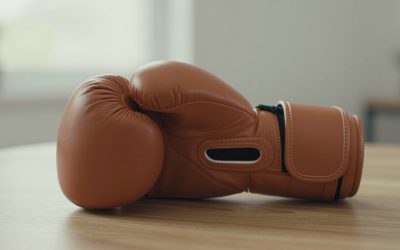
A hook-and-loop strap should close the wrist firmly. If the strap barely reaches or overlaps too much, the glove is the wrong size. The wrist should feel stable when you make a fist, with no wobbling when you punch the air.
How to Measure for Shin Guards
Measure Leg and Calf Length
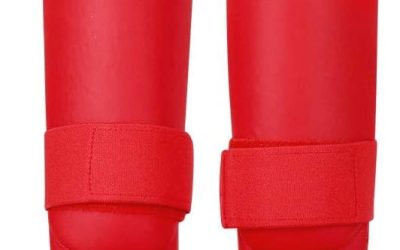
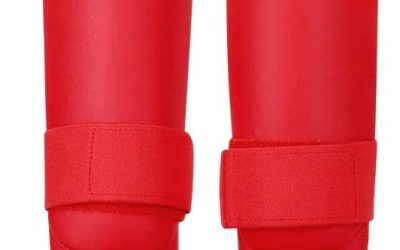
Sit with your foot flat on the floor and measure from just below the kneecap to the top of the ankle bone. Many shin guards are sized by this length, sometimes along with shoe size when a foot piece is attached. Measure both legs, since a small difference can matter.
Think About Calf Width
Wide calves need guards with adjustable or elastic straps. If the strap stretches to its limit, the guard will pinch and slide. Narrow legs need guards with strong closure so the pad does not spin sideways.
Consider Foot Coverage
If the guard has an instep pad, check your shoe size against the chart. A foot piece that is too small bunches the toes; one that is too large slips and rotates during kicks.
One more point: always try both pieces on together with your usual uniform. Gloves that fit on bare hands may feel different with wraps, and shin guards that sit well over bare legs can bunch under loose pant cuffs. Put on the full kit, move through a few stances, throw a few slow punches and kicks, and see whether anything slides, pinches, or limits your range before committing to a size.
Fit Checklist You Can Use at Home
| Item | Signs of a Good Fit | Signs of a Poor Fit |
|---|---|---|
| Glove, fingers | Fingertips near the end without crushing | Fingers fold or leave a big gap |
| Glove, wrist | Strap closes firmly with room to adjust | Strap gaps or leaves the wrist loose |
| Glove, fist | Fist closes fully without strain | Fist feels stiff or numb after a few minutes |
| Shin guard, length | Covers shin from below knee to ankle | Rides up into the knee or leaves the ankle bare |
| Shin guard, strap | Holds firm during kicks | Rotates or slides down the leg |
| Foot piece | Heel and toes sit naturally | Toes cramp or heel slips |
Padding, Material, and Hygiene Affect Fit Too
Foam thickness changes how a size feels. Thicker padding protects more but adds bulk around the hand and shin, which can make a borderline size feel too small. Thin padding moves more freely but offers less cushion. Neither is wrong; the right choice depends on your rules and the level of contact in your classes.
Material changes fit over time. Synthetic leather and foam pieces usually hold their shape, while soft fabric-covered pads may compress with use and feel looser after a few months. If you notice sliding, tighten the straps first, then consider a smaller size at the next purchase.
Hygiene is part of fit as well. Damp gear can become slippery and smell, and slippery gear shifts on impact. Air out gloves and guards after every class, wipe the surfaces with a damp cloth, and avoid leaving them in a closed bag overnight. Sharing sparring gear with a classmate is best avoided, since a size that suits one student rarely suits another.
Sizing for Children and Teens
Young students grow quickly, which makes sizing a balancing act. A guard that is one size too big may slide during kicks and shift the pad away from the shin. A pair that is too small will pinch and can discourage a child from wearing it. Measure at the start of each season, and check the fit in the store or at home by having the child move through stances and kicks.
If the child is between sizes, think about the strap range and the amount of padding. Adjustable straps give flexibility, while firm padding that does not collapse helps the guard hold its shape. Avoid buying a size far above what is needed in hope of growth; loose gear is a safety problem.
Parents should also check the manufacturer’s age and height guidance, which often differs from the size labels sold in the same store. When in doubt, ask the instructor to look at the fit during class.
Before You Buy Checklist
- Ask your instructor which style of gloves and guards your dojo or tournament allows.
- Measure hand length, palm width, shin length, and calf width.
- Check each size chart for the exact model rather than using a general chart.
- Confirm whether inner gloves or hand wraps will be worn underneath.
- Read the closure type and look for adjustable straps.
- Review the return policy in case the fit is wrong.
Common Mistakes
- Choosing gloves by age rather than hand measurements.
- Buying shin guards that sit too high and rub the knee.
- Ignoring the thickness of hand wraps when picking a glove size.
- Letting a child wear gear that is too large for growth.
- Skipping a quick movement check, such as throwing punches and a few light kicks, before class.
Related guides
- How To Practice Karate At Home Without A Partner
- Puzzle Foam Mats For Home Karate Practice
- Century Martial Arts Karate Sparring Gear
Frequently Asked Questions
Should sparring gloves be tight or loose?
They should be snug but not painful. You should be able to close your fist fully, and the glove should not rotate or slide when you strike. If your fingers go numb or turn pale, the glove is too small.
How do I know if my shin guards are the right length?
They should cover the front of the shin from just below the kneecap to the ankle without touching the knee joint. If they bunch behind the knee or leave the ankle exposed, try a different size.
Do karate shin guards need to cover the foot?
That depends on your rules. Some competitions require foot pads, and others use separate guards. Ask your instructor which style is allowed before you shop in 2026.
How often should kids replace sparring gear?
Replace it when the fit changes or the padding wears down. For growing children, that may be once a year or more often, while adults can use quality gear for much longer if it remains stable and clean.
More from Amazon
Programs that pair well with the guide above. Offers and eligibility are set by Amazon and may change.
Free shipping on eligible items, Prime Video and more. Eligible new members can start with a free trial.
Start a Prime free trialA Prime membership for ages 18-24 with a trial period. Eligibility is set by Amazon.
See Prime for Young AdultsAudiobooks and podcasts to listen to on the go. Eligible new members can start with a free trial.
Try Audible freeAd-free music streaming. Eligible new subscribers can start with a free trial.
Try Music Unlimited freeAs an Amazon Associate we earn from qualifying purchases.

Write Your Review
No reviews yet. Be the first to share your experience!