
Key takeaways
- A new student ties on a white belt and, within a year, is staring at a stack of colors the dojo says are coming.
A new student ties on a white belt and, within a year, is staring at a stack of colors the dojo says are coming. Buying a complete belt set looks like the tidy answer: one purchase, every rank covered, nothing to reorder after each grading. The catch is that rank order, belt width and length all vary between schools, so a set that looks complete can still leave you short at the stage that matters.
This guide is for parents, adult beginners and instructors comparing sets and single belts in 2026. Only two of the listings below are genuine multi-belt sets. The other three are single belts, included because many families build a collection one rank at a time. Three belt display racks appeared in the same search results and were left out, since a rack holds belts rather than being one.
Quick Picks
Our top picks


As an Amazon Associate we earn from qualifying purchases at no extra cost to you.
| Product | Best for | Key feature |
|---|---|---|
| Sewroro 6-Piece Belt Set | Kids and adults starting out | 6 cotton belts, 86.61 inches |
| BESPORTBLE 6-Piece Belt Set | Assorted-color rank progression | 6 assorted cotton belts, 86.61 inches |
| Hithop 8.6ft Soft Black Belt | Advanced students wanting length | Long, soft, 8.6ft |
| Oruola 220cm White Belt | True beginners | Non-slip knot design, 87 inches |
| Multi-Stitched Yellow Belt, 8.5ft | Mid-rank students | 1.5-inch wide, stays tied |
How to Choose
Confirm Your Rank Order First
Color sequences differ by style, association and even by individual dojo. Ask the instructor which colors you will actually earn, and in what order, before buying a multipack. Write the list down and compare it with the product title. An assorted set may include shades your school never awards, which makes it more of a practice kit than a rank ladder. Some students use the extra colors to rehearse knots at home, which is a perfectly good use.
Length and Wrap Style
Sizing is the most common reason belts get returned. Listings here run from about 7 feet to 8.6 feet, and the right figure depends on waist, gi thickness and how many times your school wraps the belt. Kids grow, so a belt slightly long is easier to live with than one that barely reaches. Adults who wear thick canvas gis should add extra length for the bulk. Measure your current belt, or ask the instructor what length they teach.
Width, Stitching and Knot Behavior
Standard widths sit around 1.5 inches. Multiple rows of stitching help a belt keep its shape and hold a knot through repeated practice. A belt that slides loose mid-kata is both distracting and a nuisance for the instructor. Look for descriptions that mention knot hold or stitching, and read owner feedback for words like slips, frays or fades. A heavier belt also stays flat in the gi instead of bunching.
Where Budget Sets Cut Corners
Low-cost multipacks tend to save on thread density, edge finishing and color consistency. Dye can bleed on the first wash, and thin belts curl at the ends. That is acceptable for a child’s training belt but less so for a belt you plan to wear at gradings. If tradition matters to your school, keep the ceremonial belt separate from the practice pack. Washing guidance matters too: cold water and air drying are gentler on cotton and on dye, though many schools have their own traditions about washing belts, so ask.
The 5 Best Options
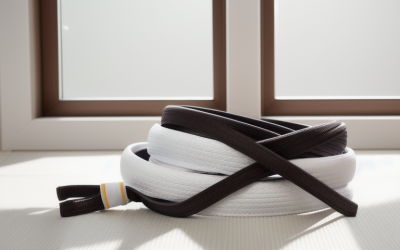
Sewroro 6-Piece Cotton Belt Set
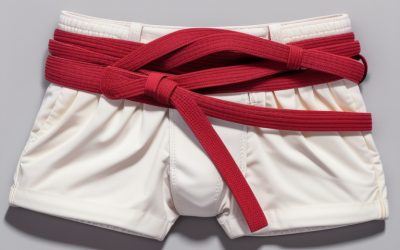
The most straightforward set on the page: six cotton belts at 86.61 inches, written for men and kids alike. It suits a family that wants practice belts in several colors without ordering each one separately, and it gives siblings a belt each when they train at the same time.
- Strength: six belts in one order cover a stretch of the ranking ladder.
- Strength: cotton construction and a single listed length simplify sizing for adults and older kids.
- Trade-off: the title does not say which colors are included, and 86.61 inches may run long for a small child.
Skip it if your school needs a specific color order or a belt for a young, small student.
BESPORTBLE 6-Piece Assorted Cotton Belt Set
This one markets six assorted-color cotton belts for training and competitions, also at 86.61 inches. It is the closest comparison to the Sewroro set and works the same way: pick it for variety and convenience. A club coach assembling a loan bin for new students could also use a pack like this to avoid scrambling for spare belts before class.
- Strength: assorted colors let a student step through several ranks.
- Strength: aimed at both training and competition use.
- Trade-off: assorted means you cannot choose the colors, so some may never be needed.
Skip it if you want one belt that matches your exact next grading. Skip it too if your school frowns on belts in colors it does not award.
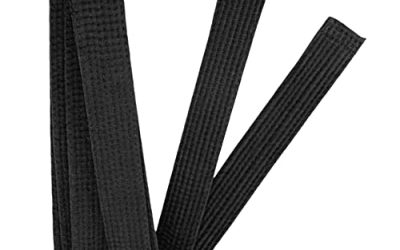
Hithop 8.6ft Long Soft Black Belt
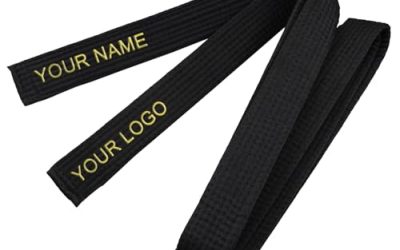
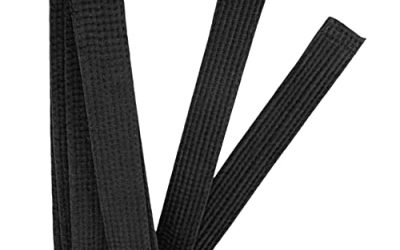
A single black belt with generous length, described as soft. It suits an advanced student who wraps the belt more than once or simply wants more tail after tying, and as the final piece when you are assembling a full rank set. Because the listing calls it soft, it may also appeal to students who find new belts stiff to tie.
- Strength: 8.6ft of length gives room for larger waists or heavier gis.
- Strength: a soft feel may be easier on the knot than a stiff new belt.
- Trade-off: the listing is short on construction details such as width or stitching.
Skip it if you are still a beginner and only need a white or yellow belt, since a black belt bought early will sit unused for years.
Oruola 220cm White Karate Belt
Written for beginners through advanced students, this white belt measures 220cm, listed as 1.6 by 87 inches, with a heavy-duty feel and a non-slip knot design. It is the natural first purchase in a rank-by-rank collection, and the metric sizing helps if your instructor quotes lengths in centimeters.
- Strength: the listing emphasizes a knot design meant to resist slipping.
- Strength: heavy-duty wording and clear metric and inch sizes.
- Trade-off: it is white only, so it covers just the first rank.
Skip it if your student already graded past white or you want several colors at once. Also skip it if the school sells its own first belt as part of enrollment.
Multi-Stitched Yellow Karate Belt, 1.5 Inch by 8.5ft
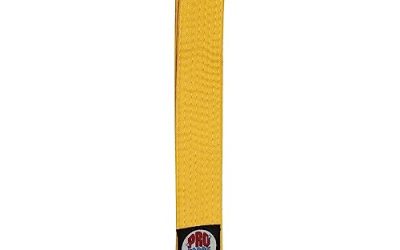
A single yellow belt for kids and adults, with a 1.5-inch width and multi-stitched cotton that is said to stay tied during training and sparring. It fits the stage where a student has outgrown the starter belt and wants something sturdier, particularly for partner drills where belts get tugged and re-tied often.
- Strength: multi-stitched construction suits repeated practice.
- Strength: 8.5ft length and 1.5-inch width are clearly listed.
- Trade-off: one color only, so you would buy again for each new grade.
Skip it if you want a multipack or if your school does not use yellow early in the sequence.
Which One Fits Your Situation
You Are Buying for a New Child Student
Start with the Oruola 220cm White Belt if the child begins at white, then add belts as gradings arrive. Buying one belt at a time spreads the cost and avoids a drawer of colors that never get worn. If the length looks long, ask the instructor how the school wants the belt wrapped before buying.
You Want a Practice Collection at Home
The Sewroro 6-Piece set or the BESPORTBLE 6-Piece set lets siblings or a student practice tying and knot habits across colors. Keep the school-issued or graded belt separate for classes. The practice pack then becomes a low-stakes way to build tying habits at home.
You Are Heading Toward Advanced Rank
Choose the Hithop 8.6ft Soft Black Belt for the long length, then pair it with the multi-stitched yellow belt only if your sequence calls for it. Advanced students tend to care more about knot hold and length than color count. If your style wraps the belt twice, favor the longer listings.
Common Mistakes
Most belt regrets come from skipping the same few checks.
- Buying a multipack before confirming which colors the school awards.
- Guessing length instead of measuring the current belt or asking the instructor.
- Assuming every belt is wrapped the same way in every dojo.
- Treating a display rack as a belt and ordering by mistake.
- Using practice-pack belts at formal gradings when the school expects its own.
Related guides
- How To Size Karate Sparring Gloves And Shin Guards
- How To Practice Karate At Home Without A Partner
- Puzzle Foam Mats For Home Karate Practice
Frequently Asked Questions
Does a belt set cover every rank?
Not necessarily. Sets list how many belts they contain, not which ranks your school uses, and a six-belt pack may stop well short of black. Compare the colors against your dojo’s order before buying.
How long should a karate belt be?
It depends on waist size, gi thickness and wrap style. Measure the belt you already own, or ask the instructor, since adult and child lengths differ.
Are cotton belts better than other materials?
Cotton is the common choice for breathability and knot hold, which is why most listings here use it. Stitching and width matter as much as the fiber, so compare those details too before settling on one.
Can I use any belt for gradings?
Many schools expect belts from their own supplier or of a specific type. Ask your instructor before wearing a new belt to a grading, and keep any receipts in case a size swap is needed.
More from Amazon
Programs that pair well with the guide above. Offers and eligibility are set by Amazon and may change.
Free shipping on eligible items, Prime Video and more. Eligible new members can start with a free trial.
Start a Prime free trialA Prime membership for ages 18-24 with a trial period. Eligibility is set by Amazon.
See Prime for Young AdultsAudiobooks and podcasts to listen to on the go. Eligible new members can start with a free trial.
Try Audible freeAd-free music streaming. Eligible new subscribers can start with a free trial.
Try Music Unlimited freeAs an Amazon Associate we earn from qualifying purchases.

Write Your Review
No reviews yet. Be the first to share your experience!