

Key takeaways
- To size a karate gi, measure your height and weight, compare them to the maker's size chart, and then check that the sleeves reach the wrist.
To size a karate gi, measure your height and weight, compare them to the maker’s size chart, and then check that the sleeves reach the wrist, the pants reach the ankle, and the jacket closes with a hand’s width of overlap. Because gi cotton can shrink, many buyers choose a slightly larger size and wash it according to the label.
Sizing is trickier for teens, who may grow quickly, and for adults who fall between two sizes. This guide explains the measurements to take, how to read size charts, what a good fit looks like, and how to handle shrinkage. Use it before ordering, and again when a uniform starts to feel tight.
Know How Gi Sizes Work
Most karate gis use a numbered scale rather than small, medium, and large. A common range starts at 000 for small children and runs through 7 or higher for tall adults. Some brands add inches, centimeters, or letter sizes, and no two brands agree exactly. A size 4 from one maker may fit differently from a size 4 from another.
The key point is that the chart is built mainly around height, with weight as a secondary guide. Taller students need longer sleeves and legs, while heavier students need more room across the chest and hips. That is why a broad-shouldered teen and a slim adult of the same height may need different sizes.
Take Three Measurements Before You Order
Height
Stand against a wall without shoes, with heels together and head level. Mark the top of your head and measure to the floor. Height is the first column on nearly every chart and drives the sleeve and pant length.
Weight
Weigh yourself in everyday clothing. If you are between two sizes by weight, think about your training goals. Students who expect to gain muscle or who grow quickly benefit from the larger option.
Chest and Waist
Measure around the fullest part of your chest and around your natural waist. Not every brand lists these, but when they do, they help with fit for athletic builds. Pants usually have a drawstring or elastic waist, so length is often the more important number.
What a Good Fit Looks Like
Once the uniform arrives, put it on and check each area. A well-fitting gi allows full motion without looking baggy or restricting techniques. The table below gives a quick checklist you can use at home.
| Area | Good Fit | Too Small | Too Large |
|---|---|---|---|
| Jacket sleeves | Reach the wrist bone or slightly above | Ride up past the wrist when arms lift | Cover the hands |
| Jacket length | Covers the hips, near the upper thigh | Rides above the belt line during kicks | Hangs well below the hips |
| Jacket front | Crosses with a hand’s width of overlap | Barely closes or pulls at the chest | Overlaps so much it bunches under the belt |
| Pants length | Reach the ankle bone or slightly above | Ride up the shin in a deep stance | Drag under the heel |
| Pants waist | Cinches comfortably with the drawstring | Dig into the stomach | Slide down despite tightening |
Adults Versus Teens
Sizing for Adults
Adults tend to be done growing, so the main concern is range of motion. Choose a size that lets you do a deep horse stance and a high kick without the crotch seam pulling or the jacket hiking up. If your measurements fall between sizes, think about fabric weight. Lighter fabric drapes closer to the body, while heavier fabric holds a boxier shape.
Sizing for Teens
Teens are the hardest group to size because they can grow several inches in a year. Many parents order one size up and roll the cuffs once if needed, but avoid going so large that the sleeves cover the hands. A uniform that is too big can interfere with blocking and look sloppy at gradings.
Review fit every few months. If the sleeves stop at the mid-forearm or the pants pull up above the ankle, it is time to move up a size.
Fabric Weight and Cut Change the Fit
Two uniforms with the same size number can feel very different because of fabric weight and cut. Lightweight cotton blends drape closer to the body, breathe well, and suit beginners and warm classrooms. Medium and heavy canvas holds a crisp shape, makes a louder snap on techniques, and usually feels larger across the shoulders. If you plan to compete in kata, a heavier uniform may look sharper, but it is often warmer and slower to dry.
Cut matters too. Some jackets are made with a boxy chest and wide sleeves, while others are tailored closer. Pants can have a straight leg, a slightly tapered leg, or an elastic waistband that gives more forgiveness. Reading the product description for words like relaxed, tailored, or lightweight tells you what to expect before you choose a size.
Female and slim-build students sometimes find that the jacket fits in length but swims in the chest. In that case, look for a lighter fabric, a tailored cut, or a chart that lists chest measurements, and avoid solving the problem by going to a smaller height size that shortens the sleeves.
When Height and Weight Point to Different Sizes
Charts sometimes give conflicting answers: a tall, lean teen may land in a long size by height but a smaller one by weight. Height usually decides sleeve and pant length, so start there. If your weight points to a larger size, go up when you are broad in the chest and hips, or stay with the height size when you are tall and lean. Use chest and waist numbers, when listed, as the tiebreaker.
If the maker offers a size that is long but narrow, that is often the best match for tall, slim students. Wearing a very wide jacket only to get enough sleeve length leaves excess fabric that catches during blocks and grabs.
Plan for Shrinkage
Cotton and cotton-blend fabrics may shrink after the first wash, especially in warm water or a hot dryer. Read the care label before washing. Some makers suggest cold water and line drying to keep the original length. If the listing mentions pre-shrunk fabric, shrinkage may be smaller, but it is still wise to leave a little room.
If you plan to wash and dry normally, consider a size with an extra inch of sleeve and leg length. If you will always air dry, you can fit closer to the target. Whichever route you choose, keep the receipt and tags until you have washed the uniform once and confirmed that it works.
Before You Order Checklist
- Measure height and weight the same day, not from memory.
- Find the size chart for the specific brand and model, not a general chart.
- Note whether the pants and jacket are sold together or as separate pieces.
- Confirm the belt is included or ordered separately and check its length.
- Read the care instructions and plan how you will wash and dry the uniform.
- Check the return or exchange policy in case the first size is wrong.
Common Sizing Mistakes
- Ordering by age instead of height, which often leads to a poor fit.
- Assuming a size from one brand matches another brand.
- Choosing a size so large that sleeves cover the hands and pants drag.
- Ignoring shrinkage and then finding the pants too short after one wash.
- Buying for the body you expect in a year instead of the body you have now.
Related guides
- How To Size Karate Sparring Gloves And Shin Guards
- How To Practice Karate At Home Without A Partner
- Puzzle Foam Mats For Home Karate Practice
Frequently Asked Questions
Should I size up for a karate gi?
If you fall between two sizes, many buyers choose the larger one and allow for shrinkage. Avoid going more than one size up because excess fabric gets in the way of blocks and kicks.
How should the sleeves and pants fit?
Sleeves should reach the wrist bone, and pants should reach the ankle bone. A slightly longer pant leg is acceptable if the hem does not catch under your heel during stances.
How often do teens need a new gi?
It depends on growth. Some teens need a larger uniform every six to twelve months, while others last longer. Check the sleeve and pant length every few months and compare them to the original chart.
Does the belt size depend on the gi size?
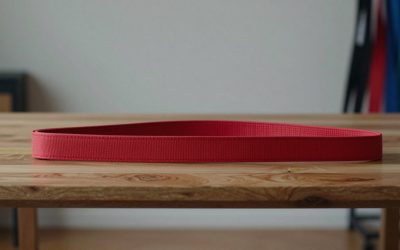
Not exactly, but the two are related. Belt length should wrap around the waist twice with enough extra to tie a knot with ends hanging a hand’s length or so. Check the maker’s guidance and your instructor’s preference in 2026 before you order.
More from Amazon
Programs that pair well with the guide above. Offers and eligibility are set by Amazon and may change.
Free shipping on eligible items, Prime Video and more. Eligible new members can start with a free trial.
Start a Prime free trialA Prime membership for ages 18-24 with a trial period. Eligibility is set by Amazon.
See Prime for Young AdultsAudiobooks and podcasts to listen to on the go. Eligible new members can start with a free trial.
Try Audible freeAd-free music streaming. Eligible new subscribers can start with a free trial.
Try Music Unlimited freeAs an Amazon Associate we earn from qualifying purchases.

Write Your Review
No reviews yet. Be the first to share your experience!