

Key takeaways
- Pros: secure strap and silicone grip system, multi-layer foam, durable cover, strong value in long-term cost per session.
- Cons: premium tier, bulky for grappling-heavy sessions, and the structured shape can feel stiff during the first few weeks.
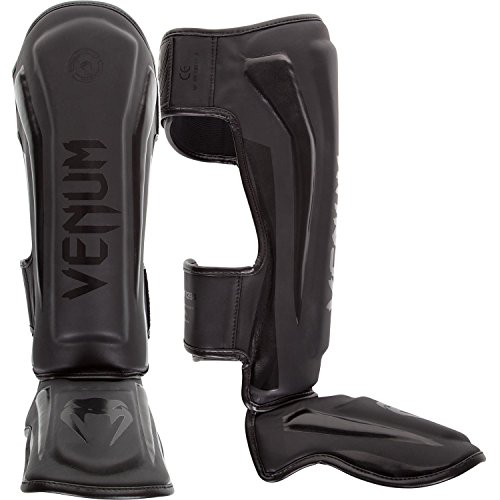
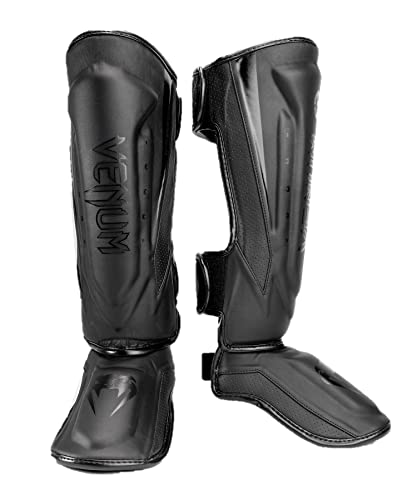
The best MMA shin guards for most fighters are the Hayabusa T3 for maximum sparring protection, the Fairtex SP3 for a Thai-style balance of padding and mobility, and the Venum Challenger Standup for a lighter, lower-cost option. The right pick depends on how hard you spar, whether you also wrestle in the same session, and how closely the guard fits your shin length and calf.
This guide compares seven current shin guards that are widely sold for MMA, kickboxing and Muay Thai training. It covers the specifications that matter, a sizing method with real measurements, a decision matrix by situation, and the ownership realities that review pages rarely mention, such as how quickly foam compresses and why straps wear out first. Specifications below come from manufacturer product pages and reputable retailer listings, and where retailers disagree on a number, the range is stated instead of a single figure.
Our top picks


As an Amazon Associate we earn from qualifying purchases at no extra cost to you.
Quick Comparison of the Seven Picks
| Pick | Best for | Cover and closure | Typical weight | Price tier |
|---|---|---|---|---|
| Hayabusa T3 Striking Shin Guards | Hard sparring, maximum protection | Vylar engineered leather, two hook-and-loop straps, heel and instep elastic | about 635-700 g listed | Premium |
| Fairtex SP3 | All-round striking and MMA sparring | Syntek synthetic leather, two straps, extended instep | about 1.5 lb listed | Mid to premium |
| Fairtex SP5 | Muay Thai crossover, calf coverage | Leather-style cover, extended instep, strap closure | Heavier than SP3 | Premium |
| Venum Challenger Standup | Value and lighter sparring | Skintex leather, hook-and-loop closure | Light, sizes M to XL | Mid |
| Sanabul Essential Hybrid | Budget practice and beginners | Slip-on sleeve plus hook-and-loop strap | Light | Budget |
| Revgear Superlite | MMA sparring with grappling transitions | Leather, double-layer shin, three-piece instep | Light | Mid |
| RDX Maya Hide Leather | Value leather with long instep | Maya hide leather, five protective layers | Mid weight | Budget to mid |
How to Choose MMA Shin Guards
MMA shin guards sit between two design families. Thai-style guards such as the Fairtex SP series use thick, long padding and an extended instep to absorb heavy kicks and checks. Slimmer MMA-style guards cut away padding at the foot and ankle so you can shoot a takedown, scramble and roll without the guard twisting or catching a training partner. Most fighters who do both striking and grappling in the same class land on a mid-thickness hybrid and accept a small compromise on each side.
Measure first, then pick a size
Shin guards are sold in S, M, L and XL, but the size charts differ by brand, so measure yourself before comparing. Use a soft tape measure and take three numbers.
- Shin length: from just below the kneecap to the top of the foot where the ankle bends. Most adult fighters fall between 12 and 15 inches. A guard that is too long presses on the knee and shifts when you bend your leg.
- Calf circumference: measure around the widest part of the calf while standing. Published charts for popular models cover roughly 13 to 19 inches across the size range, and a strap system that is already near its limit will not hold well.
- Foot length: compare it with the guard’s heel-to-toe measurement. The Fairtex SP3 size chart, for example, lists about 4.7 to 5.5 inches heel to toe from small to extra large.
Sizing reference points drawn from manufacturer and retailer charts: the Hayabusa T3 small is listed at 12 inches tall for a 13 to 16 inch calf and the medium at 13 inches tall for a 14 to 17 inch calf. The Fairtex SP3 medium is listed at about 13 inches in height and the large at about 14.2 inches. Venum guidance places its medium Challenger Standup around a shin length up to 14 inches and the large at 14 to 14.5 inches. If you fall between sizes, choose the size whose height matches your shin length rather than the one that fits the calf, because calf fit can be adjusted with straps and shin length cannot.
Decision matrix by situation
| Your situation | Choose | Why |
|---|---|---|
| Hard stand-up sparring two or three times a week | Hayabusa T3 or Fairtex SP3 | Multi-layer foam and secure straps hold position under repeated kicks |
| Mixed MMA classes with wrestling transitions | Revgear Superlite or Venum Challenger Standup | Lower bulk and a shorter instep reduce snagging |
| Muay Thai crossover with checks and clinch | Fairtex SP5 | Longer coverage and a larger instep protect more of the leg |
| First pair, light technical rounds | Sanabul Essential Hybrid | Lower cost and a snug sleeve are fine at light contact |
| Larger fighter wanting leather on a tighter budget | RDX Maya Hide Leather | Leather build and long instep at a lower tier |
| Kids and teens | A kids-specific guard such as the youth Venum Challenger | Adult guards fit poorly and place padding in the wrong spot |
Foam, cover and straps in plain terms
Foam determines how much impact reaches the bone. Multi-density foam, with a firmer outer layer over a softer inner layer, spreads force across a wider area. Cheaper guards often use a single slab that feels fine on day one and flattens within a year of regular sparring. The cover affects durability and hygiene. Genuine or synthetic leather wipes clean and resists sweat, while cloth sleeves are lighter but absorb moisture and take longer to dry. Straps matter more than most buyers expect. A guard that rotates on the shin after three rounds protects nothing, so two wide hook-and-loop straps, or one strap plus a sleeve, are a safer design than a single narrow strap.
A worked example: cost per session
Suppose you train five sessions a week for 48 weeks a year, which is 240 sessions. A premium guard that lasts two years of that schedule covers 480 sessions. A budget guard that needs replacing after 12 months covers 240. Even when the premium pair costs twice as much, the cost per session is the same, and you gain better protection and fit. If you spar only twice a week, the lower tier may well last as long, which is why training frequency should drive the choice more than brand.
Best Overall: Hayabusa T3 Striking Shin Guards
The Hayabusa T3 is the pick for fighters who want the most protection without moving to a full Thai-style guard. Hayabusa lists pre-curved, multi-layered foam over the shin, a Vylar engineered leather cover, and two adjustable hook-and-loop straps. A lining of silicone beads grips the skin so the guard resists rotating, and elastic supports at the heel and instep hold the foot section in place.
Listed weight is about 635 to 700 g depending on the retailer and size, which is light for the amount of foam. Sizes run S to XL. A side extension protects the outside of the knee and shin edge, a feature reviewers frequently mention when they compare it with slimmer MMA guards.
Who it is for: Fighters who throw and check hard kicks in sparring, coaches who want one guard for striking classes, and anyone who has bruised a shin with a thinner pair.
- Pros: secure strap and silicone grip system, multi-layer foam, durable cover, strong value in long-term cost per session.
- Cons: premium tier, bulky for grappling-heavy sessions, and the structured shape can feel stiff during the first few weeks.
Best Thai-Style Balance: Fairtex SP3
The Fairtex SP3 is a well-known sparring guard with a Syntek synthetic leather cover, layered high-impact foam and an extended instep. Fairtex builds it in Thailand, and it sits just below the knee rather than wrapping around it, which keeps your leg movement freer than a full Thai guard.
Size options are S to XL. A commonly published chart lists S at 11.8 inches in height, M at 13 inches, L at 14.2 inches and XL at 15 inches, with a calf range of about 14.2 to 18.9 inches across sizes. Retailer descriptions disagree on whether the foam is two or three layers, so check the listing for the exact build before ordering.
Who it is for: Fighters who want something between a bulky Thai guard and a minimal MMA guard, and who spar mostly on their feet.
- Pros: proven design, comfortable break-in, extended instep for foot protection, good colour and size range.
- Cons: mid-to-premium tier, the extended instep adds bulk if you also wrestle, and straps need occasional re-seating.
Best for Muay Thai Crossover: Fairtex SP5
The Fairtex SP5 is the longer sibling of the SP3, built as a competition-oriented Thai guard that wraps more of the calf and runs further up the leg. Reviewers describe it as handmade in Thailand with good shock absorption and quick break-in. It suits fighters who check kicks with the shin often and who value extra coverage over mobility.
Who it is for: Muay Thai and kickboxing practitioners who occasionally join MMA sparring and do not need to grapple in the guard.
- Pros: larger protected area, quality build, familiar fit for Thai-style training.
- Cons: expensive, extended instep and length can feel restrictive, and it is too bulky for takedown-heavy rounds.
Best Value Mid-Range: Venum Challenger Standup
The current Venum Challenger Standup is made in Thailand from Skintex leather with a hook-and-loop closure and high-density foam, with extra padding across the shin and instep. It is a lighter guard than the Venum Elite and suits fighters who want credible protection without the bulk of a full sparring guard.
Adult sizes are M, L and XL, and Venum publishes weight and height bands for each. A kids’ version in S, M and L adds reinforcement at the tibia and toes and avoids metal buckles. One caution from buyer reports is a firm edge near the ankle on some units, so check the fit around the ankle on first use and consider a thin sleeve underneath if it rubs.
Who it is for: Intermediate fighters on a mid-tier budget, and gyms that equip a youth class with matching kits.
- Pros: competitive price tier, light, made in Thailand, wide colour choices.
- Cons: thinner padding for heavy kickers, hook-and-loop straps wear sooner than premium straps, no size smaller than M in the adult line.
Best Budget Pick: Sanabul Essential Hybrid
The Sanabul Essential Hybrid pairs a slip-on sleeve with a hook-and-loop strap, which keeps the guard from sliding even when the strap is not perfectly tight. It is padded in the shin and instep and is designed as a hybrid between Muay Thai and MMA guards.
Who it is for: Beginners, fitness-class students and fighters who need a spare pair for light drilling.
- Pros: low cost, snug sleeve feel, easy to pack, many sizes and colours.
- Cons: less durable than leather guards, snug on larger calves, and stitching quality can vary.
Best for MMA Transitions: Revgear Superlite
Revgear’s Superlite is aimed squarely at MMA. Its design calls for a double-layered shin portion to reduce impact, a three-piece instep to keep the foot flexible, and a low-cut profile that makes rolling and scrambling easier. The leather cover is described by reviewers as good quality and durable.
Who it is for: MMA practitioners who spend half of each class on the ground and want protection that does not get in the way.
- Pros: low profile, flexible instep, balanced protection for technical sparring.
- Cons: not intended for heavy kickers, and beginners may prefer a more forgiving, thicker guard.
Best Leather Value: RDX Maya Hide Leather
RDX markets its Maya Hide Leather guard with five layers of protection, an extra-long instep to cover the top of the foot and a build certified by Swedish MMA federation standards, according to its product description. The leather cover wipes clean and resists tearing better than cloth.
Who it is for: Fighters who want a leather guard and long instep coverage at a lower price tier than the Fairtex or Hayabusa options.
- Pros: leather cover, long instep, certification noted by the maker, accessible price tier.
- Cons: the length can be too long for shorter fighters, and overall finish sits below premium brands.
Durability and Ownership Realities
Most shin guards do not fail because of a torn cover. They fail because of three predictable wear points.
- Foam compression: after roughly one to two years of hard sparring, foam under the shin flattens and absorbs less. If a kick that used to feel dull now stings, the foam has probably compressed and it is time to replace the pair.
- Strap fatigue: hook-and-loop fabric collects lint and hair and loses grip. Brush it out with a stiff toothbrush every few weeks and replace the guard when the loops are flattened.
- Sweat and odour: leather and synthetic covers should be wiped down after each session, and the guards should dry in open air, not inside a closed gym bag. Never put them in a dryer, because heat can warp the foam and crack the cover.
A simple care routine: wipe the cover with a damp cloth and mild soap, let the guard dry flat in room air, and rotate two pairs if you train daily. Check the stitching along the instep every month, because that is the first seam to open.
Common Buying Mistakes
- Choosing by calf size alone and ignoring shin length, which leaves the guard pressing on the knee or ending short of the ankle.
- Buying the thickest guard for a grappling-heavy class, which then catches on partners and gets removed halfway through the round.
- Ignoring gym or competition rules. Some amateur events require specific guard styles, so ask your coach before buying.
- Using adult guards on children. Kids’ models place padding for smaller legs and avoid metal parts.
Frequently Asked Questions
Are MMA shin guards different from Muay Thai shin guards?
Yes, in general. Muay Thai guards are thicker and longer, with a large instep section, while MMA guards are slimmer and more flexible so you can wrestle and roll. Hybrid guards, such as the Fairtex SP3 or Venum Challenger Standup, aim for the middle.
How tight should shin guards be?
Snug enough that the guard does not rotate when you shake your leg hard, but not so tight that your foot tingles or goes numb. Fasten the lower strap first, then the upper, and recheck after the first round because the foam settles.
Do I need instep protection?
If you spar with partners who kick hard or check with the shin, yes. An unprotected top of the foot is one of the most common sparring injuries. Fighters who mainly do light technical work and grapple often may prefer a slim guard with a short instep.
How long do MMA shin guards last?
With regular use, expect around one to three years. Frequency, foam density and care routine matter more than brand. Replace them when the foam feels flat, the straps no longer hold or the cover begins to crack.
Can I wear shin guards under or over leggings?
Most fighters wear them directly on the skin or over thin compression sleeves. A sleeve can reduce rubbing and keep sweat from soaking the lining, but it should be snug so the guard does not slide.
Are shin guards enough protection for a beginner?
They are a key piece, but pair them with a mouthguard, a groin protector and appropriately sized gloves, and keep early sparring controlled. A coach can guide you on contact level and any health concerns before you begin.
Final Recommendation
If you want one guard that handles most training, buy the Hayabusa T3 or Fairtex SP3 in the size that matches your shin length. If you grapple a lot, move to the Revgear Superlite or Venum Challenger Standup. If you are new and only need light protection, start with the Sanabul Essential Hybrid and upgrade once you know how hard you will spar.


Write Your Review
No reviews yet. Be the first to share your experience!