

Key takeaways
- Five knee pads for karate training and mat work days, compared by padding, fit, and closure, from thick foam sleeves to a strap pair, with sizing help.
Knees meet the mat a lot in karate training. Warm-up drills on the floor, kneeling bows at the edge of the training area, kata practice with low stances, and groundwork days all put steady pressure on the kneecap. A bare knee on a sprung dojo floor is one thing, but many classes run on hall floors, school gym floors, or thin mats over concrete, and that surface can cut a session short. A plain pair of knee pads puts a layer of foam between the knee and the floor, so students spend more of the class on technique and less on shifting around hunting for a softer spot.
This guide lines up five pads that suit karate training and mat work days: a thick foam sleeve, a padded compression sleeve, a youth pair, a slim gel pad, and a strap-on pair. Knee pads are training gear for supervised practice under a qualified instructor and dojo rules, and they cushion contact with the floor. No pad can promise that a knee will never get hurt, so fit, honest sizing, and your instructor’s guidance matter more than any single feature on a listing.
As an Amazon Associate, we earn from qualifying purchases.
Quick answer
For most karate students, a pull-on foam sleeve pad gives the simplest cover for kneeling drills and mat work days. Pick thick EVA foam for long floor sessions, a padded compression sleeve for a close fit, a youth size for younger students, a slim gel pad for light cover, and straps when legs vary in size.
How to choose
Padding type is the first call. Thick sponge foam spreads pressure over the whole kneecap, which suits long stretches of kneeling drills and floor warm-ups. Closed-cell foam pads shaped in small sections bend with the leg, so they feel less bulky during stance changes and moving drills. A gel insert gives a thinner layer for students who only kneel now and then and dislike bulk under a uniform. None of these designs removes risk from a fall or a collision; they soften contact with the floor during normal training.
Fit comes next. Pull-on sleeves rely on stretch fabric, so measure around the knee and follow the size guide on the listing rather than guessing from clothing sizes. A sleeve that slides down mid-drill is worse than none, because it bunches behind the knee. Strap designs adjust around the leg, which helps students between sizes or sharing pads within a family, though straps need checking between rounds so they stay snug without pinching.
Closure and cover matter for mat work. Smooth fabric slides over mats without catching, while rough hook-and-loop edges can scratch training partners and pull at mat surfaces, so many dojo prefer plain sleeves for partner drills. Ask your instructor what the dojo allows before buying, since some schools limit gear during grading practice or paired work. Last, think about care: pads worn several times a week need airing out after class and washing as the maker directs, or they hold sweat and lose their grip.
Bodyprox Protective Knee Pads
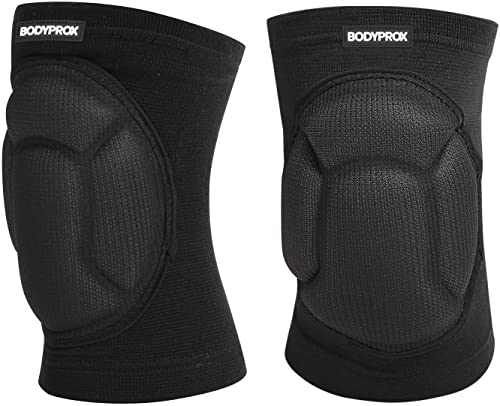
This is the thick foam option in the group, built around high-density EVA foam in a pull-on sleeve. The listing puts the dense foam padding at 7/8 inch thick, which is the kind of cushion that helps during long kneeling warm-ups, floor stretching lines, and repeated rises from the mat during kata practice. The sleeve is unisex, sold as a pair with a left and a right pad, and the fabric blend includes spandex and nylon for stretch. An anti-slip build helps the pad stay over the kneecap while moving through stances. Students who train on hard hall floors several nights a week will feel the benefit most. It is a soft-shell pad with no hard cap, so it suits mat rooms and dojo floors rather than rough outdoor ground.
Specs:
– Padding: high-density EVA foam, 7/8 inch thick as listed
– Materials: EVA, polyester, spandex, rubber, and nylon as listed
– Closure: pull-on sleeve
– Sold as: 1 pair, left and right, unisex
– Sizes: Small/Medium and Large as listed
McDavid Hex Knee Compression Sleeves

McDavid builds this pair around its Hex padding, a closed-cell foam laid out in small sections over the knee. The listing names 9mm Hex foam, which bends as the leg bends, so the sleeve moves well through stance work and floor drills without a single stiff plate over the kneecap. It is a compression sleeve first, so the fit is close and the length runs longer than a short pad, giving cover above and below the knee as well. The nylon fabric uses moisture management to help with sweat during long classes, and the sleeves are machine washable as listed. This pair suits students who want padding that stays put during fast footwork and who train often enough to value easy washing. Measure carefully, since compression sleeves are meant to fit snugly.
Specs:
– Padding: 9mm Hex closed-cell foam as listed
– Material: nylon as listed
– Closure: pull-on compression sleeve
– Sold as: 1 pair of sleeves
– Care: machine washable as listed
Bodyprox Volleyball Knee Pads for Junior Youth
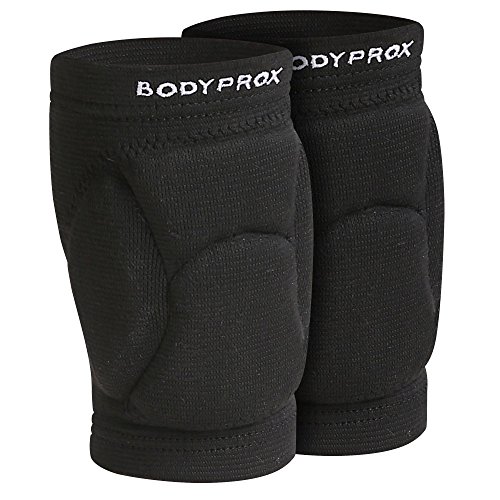
Younger karate students need pads cut for smaller legs, and this Bodyprox pair is the youth option in the group. The listing groups it for junior youth ages 13 to 18, with foam padding in a pull-on pair. The foam build keeps the pad light, which matters for kids who wear pads through a full class of drills, games, and mat work without wanting to pull them off between rounds. Parents should measure the child’s knee and check the listing size guide, since youth legs grow fast and a loose pad slides during movement. The pair is unisex and simple to pull on before class. It gives younger students the same floor cushion as the adult pads in this guide, in a size range that fits them now rather than later.
Specs:
– Fit group: junior youth, ages 13 to 18 as listed
– Material: foam as listed, described as EVA foam
– Closure: pull-on
– Sold as: 1 pair, unisex
– Part number: BP-YouthKneePads-13-18 as listed
McDavid Knee Pad with Sorbothane Gel Insert

This McDavid pad is the slim option, a neoprene sleeve with a Sorbothane gel insert over the kneecap. The sleeve form keeps the profile low, so it sits neatly under a uniform leg and slides over mats without the bulk of a thick sponge pad. It suits students who kneel only in parts of class, such as bows, brief floor drills, or short groundwork rounds, and who want a light layer rather than deep cushion. The listing sells this pad singly, as one item, so order two if both knees need cover. Materials are neoprene rubber and nylon as listed. Because the padding layer is thinner than the foam pads above, students doing long kneeling sessions on hard floors may prefer a thicker pick from this guide.
Specs:
– Insert: Sorbothane gel insert as listed
– Materials: neoprene rubber and nylon as listed
– Closure: pull-on sleeve
– Sold as: single pad, 1 item as listed
– Part number: MD410-01-32 as listed
GOANDO Knee Pads

The GOANDO pair is the strap design in this group. Instead of a fixed sleeve, adjustable straps wrap the leg and fasten behind the knee, fitting legs from 14 to 21 inches in circumference under the kneecap as listed. That adjustability helps students who fall between sleeve sizes, and it lets one pair serve siblings with different leg sizes. The pad itself is EVA sponge at 0.6 inch thick as listed, in a neoprene and nylon fabric with ventilation holes and silicone lines to limit sliding. Three sizes are listed, so check the size guide and the strap range together before ordering. Straps should sit snug without pinching, and students should refasten them between drills if they loosen during hard mat work.
Specs:
– Padding: EVA sponge, 0.6 inch thick as listed
– Fabric: neoprene and nylon with ventilation holes as listed
– Straps: adjustable, fit 14 to 21 inches under the kneecap as listed
– Sizes: S, M, and L as listed
– Sold as: 1 pair
Who should skip
Skip knee pads if your instructor or dojo rules do not allow them for the sessions you attend, and follow that guidance over any buying guide. Skip thick sponge pads if your training is mostly standing kata and light partner work with little floor time, since the bulk may annoy more than it helps. Skip strap designs for fast partner drills if loose strap ends could catch or scratch a partner. Anyone with a current knee injury, ongoing pain, or a medical condition should talk to a doctor or physio before training, rather than relying on a pad. And skip youth sizes for adults: a pad that is too small will slide, bunch, and miss the kneecap it should cover.
FAQ
Do knee pads change how a uniform fits?
A thick foam pad adds bulk under the uniform leg, so loose training trousers work better than narrow cuts. Slim pads, like the gel sleeve in this guide, sit closer and change the fit less. Try the full kit at home before class so nothing binds during stances.
How do I pick the right size?
Measure around the knee or under the kneecap as the listing directs, then match the number to the size guide on that listing. Sleeves should feel snug without cutting in. If you land between sizes, a strap design gives room to adjust the fit on the day.
Can knee pads be worn for grading days and events?
That depends on your association and your instructor, and rules vary. Some schools allow plain pads for training but not for formal grading. Ask before the day, and bring the pair you train in, so there are no surprises when you line up.
How should knee pads be cleaned and stored?
Air them out after class rather than leaving them in a closed bag. Wash them as the maker directs on the listing or packaging, let them dry fully, and store them flat. Sweat left in foam breaks it down over time and makes sleeves lose their grip.
Final verdict
For most students, the Bodyprox Protective Knee Pads give the simplest thick foam cushion for mat work days, with a pull-on fit and two sizes. The McDavid Hex sleeves suit frequent training and fast movement, the Bodyprox junior youth pair fits younger legs, the McDavid gel pad keeps things slim for light kneeling, and the GOANDO pair answers sizing puzzles with straps. Whichever pair you pick, measure first, check your dojo rules, and treat pads as one part of careful training under your instructor, not as a promise of safety.
More from Amazon
Programs that pair well with the guide above. Offers and eligibility are set by Amazon and may change.
Free shipping on eligible items, Prime Video and more. Eligible new members can start with a free trial.
Start a Prime free trialA Prime membership for ages 18-24 with a trial period. Eligibility is set by Amazon.
See Prime for Young AdultsAudiobooks and podcasts to listen to on the go. Eligible new members can start with a free trial.
Try Audible freeAd-free music streaming. Eligible new subscribers can start with a free trial.
Try Music Unlimited freeAs an Amazon Associate we earn from qualifying purchases.


Write Your Review
No reviews yet. Be the first to share your experience!