

Key takeaways
- All-round training, many designs: XMartial, which several reviewers name as a best-overall pick for its wide design range and snug fit.
- Competition and ranked rules: Gold BJJ Foundation, which reviewers describe as a clean, very tight ranked-style guard and the maker-side listings mark as IBJJF approved.
- Budget rotation: Revgear Bionic, Sanabul Model Zero or Elite Sports for building a stack of several shirts cheaply.
- Comfort-first: Rolljunkie Warped, with a relaxed fit, or Origin, an American-made premium option.
- Heavy daily use: Stonebelt Legion, which one reviewer describes as a heavier 240 GSM fabric with a silicone waist grip.
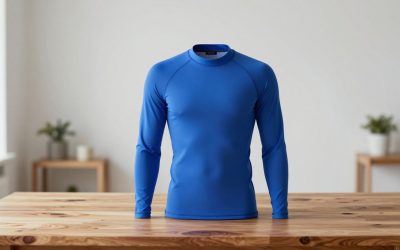
For most grapplers, a snug polyester-spandex rash guard from a jiu-jitsu specialist such as XMartial, Gold BJJ or Sanabul is the safest buy, while anyone who plans to compete under IBJJF rules should choose a ranked-style guard that the maker states is compliant. A rash guard is a close-fitting compression shirt worn under or instead of a gi top. In BJJ it protects skin from mat friction, keeps a sweaty grip from sliding, and gives opponents very little fabric to grab in no-gi. The right pick depends on whether you roll in a gi, no-gi or both, and on how much you care about tournament rules.
Our top picks


As an Amazon Associate we earn from qualifying purchases at no extra cost to you.
Quick Answer: Which Rash Guard for Which Grappler
- All-round training, many designs: XMartial, which several reviewers name as a best-overall pick for its wide design range and snug fit.
- Competition and ranked rules: Gold BJJ Foundation, which reviewers describe as a clean, very tight ranked-style guard and the maker-side listings mark as IBJJF approved.
- Budget rotation: Revgear Bionic, Sanabul Model Zero or Elite Sports for building a stack of several shirts cheaply.
- Comfort-first: Rolljunkie Warped, with a relaxed fit, or Origin, an American-made premium option.
- Heavy daily use: Stonebelt Legion, which one reviewer describes as a heavier 240 GSM fabric with a silicone waist grip.
At a Glance: Popular BJJ Rash Guards
| Brand and model | Best for | Stated or reported fabric | Limits |
|---|---|---|---|
| XMartial (various) | Everyday no-gi training, bold graphics | Reported as about 80 percent polyester, 20 percent spandex | Most designs are not IBJJF legal, according to one reviewer |
| Gold BJJ Foundation | Ranked and tournament use | Reported as about 82 percent polyester, 18 percent spandex | Very tight; minimalist styling only |
| Sanabul Model Zero | Budget-minded multi-shirt rotation | Reported as about 85 percent polyester, 15 percent spandex | Slim cut; check the size chart carefully |
| Rolljunkie Warped | Relaxed, comfortable fit | Reported as about 88 percent polyester, 12 percent spandex | Not a ranked-compliant design |
| Stonebelt Legion | Staying put during scrambles | Reported weight of 240 GSM, silicone waist grip | Tight; not a ranked design |
| Origin (premium line) | Soft feel, American-made | Maker-described premium blend | Lowest value of the group in one roundup |
| Revgear Bionic | Entry-level purchase | Not confirmed in sources reviewed | Reviewers treat it as a budget option, not a premium one |
| Hayabusa Geo and ranked guards | Brand-loyal buyers, ranked option available | Not confirmed in sources reviewed | The ranked version is the compliant one |
The fabric percentages above come from a single reviewer’s notes rather than from the makers’ own pages, so treat them as approximate and read the label on the model you actually order. Product lineups also rotate their graphics each season, so a specific colorway may not match the photo you saw in a review.
What Matters Most When Choosing a BJJ Rash Guard
Fit and compression
A BJJ rash guard should feel snug without restricting your shoulders. If the shirt bunches or rides up when you shrimp or bridge, it will also give an opponent something to grab. Reviewers consistently group the Gold BJJ Foundation and Stonebelt Legion in the tight category, the XMartial in the snug category, and the Rolljunkie Warped in the relaxed category. If you sit between two sizes, many grapplers size down for no-gi competition and up for long, comfortable sessions, though you should defer to each maker’s size chart.
Fabric blend
Nearly every rash guard on the market is a polyester and spandex blend. Polyester handles moisture and dries quickly, while spandex provides stretch. A higher spandex share generally means a tighter, more compressive feel. A heavier fabric, like the 240 GSM weight that one reviewer notes for Stonebelt, tends to last longer under constant friction but can feel warmer in a hot gym.
Sleeve length
Long sleeves cover elbows and forearms, which protects against mat burn and reduces skin contact in a crowded room. Short sleeves are cooler and are preferred by some competitors in warm venues. Many ranked-style guards come in both lengths, so choose based on climate and personal preference rather than assuming one is more professional.
Seams, gussets and collars
Flatlock stitching, a reinforced collar and a stretch gusset under the arm are signs of a guard built to be dragged across a mat. Cheap shirts sometimes use raised seams that rub the skin during long rolls. If you have sensitive skin or have experienced chafing, look for flatlock seams and read the maker’s care instructions closely.
Waist grip and ride-up
A silicone gripper at the hem, such as the one reviewers mention on the Stonebelt Legion, helps the shirt stay tucked under your waistband. Without it, a looser shirt can ride up during guard work. Some grapplers prefer to avoid grippers because they can feel restrictive on the stomach.
IBJJF Rules and Ranked Rash Guards
Federation rules for no-gi divisions often require rash guards to match your belt rank colour, with limited trim in other colours and restrictions on logos and graphics. Because rules are revised, the safest approach is to read the current rulebook of the tournament you enter and then choose a guard the maker explicitly sells as compliant. Reviewers state that Gold BJJ’s Foundation, Sanabul’s ranked options and the Hayabusa ranked guards are built for this purpose, while most colourful designs from XMartial, Nation Athletic, Origin and similar brands are everyday training shirts rather than competition shirts. If you only train at your own gym, this does not matter, so you can choose graphics freely.
Budget Tiers Explained
Budget tier
Budget rash guards, such as Revgear Bionic, Sanabul Model Zero, Elite Sports and Lafroi, suit newcomers who want protection and a snug base layer without committing to a premium garment. Reviewers note that the cheapest options can feel looser and more like surf rash guards, with thinner fabric and less consistent sizing. They are a reasonable way to find out which fit and sleeve length you prefer.
Mid-range tier
Most specialist BJJ brands live here. XMartial, Gold BJJ, Rolljunkie, Stonebelt and Nation Athletic all sit around this tier according to roundup reviewers. You get tighter cuts, better seams, more design variety and often a clearer statement of fabric composition. For most people who train several times a week, this is the tier where value is best.
Premium tier
Premium options such as Origin are marketed on softness, domestic manufacture and finish quality. One roundup calls Origin very comfortable but weakest on value. Pay this premium only if you already know you want a specific feel or you prefer American-made goods.
Pick X If… Decision Table
| Pick this | If you want | Watch out for |
|---|---|---|
| XMartial | Lots of graphics, snug fit, everyday sessions | Many designs are not tournament legal |
| Gold BJJ Foundation | A compliant ranked shirt for events | Very tight fit and plain look |
| Sanabul Model Zero | Several shirts without overspending | Slim fit can run small |
| Rolljunkie Warped | A roomier, comfortable shirt | Not a ranked design |
| Stonebelt Legion | Heavy fabric and a hem that stays down | Tight; can feel warm |
| Origin | Softest feel and premium finish | Highest cost for the benefit |
| Revgear Bionic or Elite Sports | A first rash guard at an entry level | Thinner, less precise fit |
Care Tips to Make a Rash Guard Last
Wash the shirt soon after training in cold water and a gentle cycle, then hang it to dry. High heat is hard on spandex and can shorten the life of printed graphics. Avoid fabric softener because it can coat synthetic fibres and hold odor. Turn the shirt inside out before washing to protect sublimated prints, and do not leave a damp shirt in a gym bag. If a shirt develops a persistent smell, an extra rinse with a sports-fabric detergent may help. Always follow the care label printed on the specific garment, since makers differ.
Skin health is a separate consideration. A clean, dry rash guard can lower friction against the skin, but it does not replace hygiene. Shower after training, and if you develop redness, rashes or lesions that do not resolve, talk to a doctor or dermatologist rather than guessing at a cause. Coaches also commonly ask training partners with visible skin conditions to sit out until cleared.
Alternatives to Consider
- Tatami Fightwear: Reviewers praise it for price-to-quality, and it is a well-known mat-wear brand with ranked and everyday options.
- Hayabusa Apex Long Sleeve: Appears at the top of one 2026 MMA rash guard ranking and suits grapplers who also strike.
- Kore V2, Ranked Performance V3 and Trooper: A retailer roundup names these for everyday value, IBJJF competition and durability respectively.
- Nation Athletic and similar lifestyle brands: Reviewers mention mesh armpit panels for cooling, aimed at those who also wear the shirt outside the gym.
Note that several of the roundups behind these suggestions are published by retailers or affiliate sites, so rankings may lean toward products the publisher sells.
Frequently Asked Questions
Do I need a rash guard for gi training?
It is not required, but many people wear one under the gi to reduce chafing from the jacket and to keep the gi cleaner. Short or long sleeves both work. If the gi collar irritates your neck, a rash guard with a higher neckline may help.
What size rash guard should I buy?
Start with the maker’s own size chart and measure your chest and torso, because cuts vary from slim to relaxed. Reviewers describe Gold BJJ and Stonebelt as tight and Rolljunkie as relaxed. If you are between sizes, read user feedback on whether a particular line runs small.
Are rash guards allowed in IBJJF competition?
No-gi divisions generally require a rash guard that meets color and logo rules tied to your belt rank. Because the rules change, read the rulebook for your specific event and choose a guard the maker lists as compliant. A casual design from an everyday line may be rejected at check-in.
How many rash guards do I need?
If you train three or more days a week, two to four shirts let you rotate while others dry. Budget brands make it easier to build that rotation. Keep one clean ranked guard aside for competition if you compete.
Can I wash a rash guard with the rest of my laundry?
You can, but a separate cold wash is gentler on stretch and prints. Avoid bleach and high heat, and hang the shirt to dry. Follow the care label on the garment for the maker’s exact guidance.
Is a long sleeve or short sleeve better?
Long sleeves protect elbows and forearms from mat burn and are the more common choice. Short sleeves are cooler and give more freedom of movement for some people. Pick based on your climate and comfort rather than a rule.





Write Your Review
No reviews yet. Be the first to share your experience!