

Key takeaways
- Simplest and lowest cost: Play sand, which sources describe as the most commonly used filler and easy to find.
- Dust and moisture concerns: A blend of roughly two parts pea gravel to one part rubber mulch, as several sources suggest.
- Light, bulky beginner bag: Rubber mulch, which is noticeably lighter than sand or gravel.
- Wet or outdoor storage: Pea gravel, which one gym guide says handles wet conditions better because sand takes a while to dry.
- Ready-made convenience: A pre-filled bag such as Hyperwear’s SandBell, sold with sand in a neoprene shell, so you skip filling altogether.
For most training sandbags, plain play sand is the simplest and cheapest filler, a pea gravel and rubber mulch blend is the usual choice for people who want less dust and less moisture trouble, and rubber mulch alone suits beginners who want a bulky but light bag. Whichever you pick, put it into sturdy inner filler bags, close them securely, and respect the weight limits the sandbag maker publishes. Filler choice changes how the bag feels, how it shifts during carries, how well it survives slams and whether it can smell or mold.
Quick Answer: Which Filler for Which Trainee
- Simplest and lowest cost: Play sand, which sources describe as the most commonly used filler and easy to find.
- Dust and moisture concerns: A blend of roughly two parts pea gravel to one part rubber mulch, as several sources suggest.
- Light, bulky beginner bag: Rubber mulch, which is noticeably lighter than sand or gravel.
- Wet or outdoor storage: Pea gravel, which one gym guide says handles wet conditions better because sand takes a while to dry.
- Ready-made convenience: A pre-filled bag such as Hyperwear’s SandBell, sold with sand in a neoprene shell, so you skip filling altogether.
At a Glance: Sandbag Fillers Compared
| Filler | Best for | Reported strengths | Limits |
|---|---|---|---|
| Play sand | Budget, easy filling | Cheap, widely available, forms a dense shifting load | Dusty, holds moisture, slow to dry |
| Pea gravel | Less dust, wet storage | Behaves like sand without as much dust, per one gym guide | One forum user says it can wear filler bags faster; one maker voids warranty with it |
| Rubber mulch | Light weights, beginners | Much lighter, takes up space so the bag feels full | Bulky, low loading capacity |
| Gravel plus mulch blend | All-round use | Mulch fills gaps so the load sloshes less; one source says it does not retain moisture | Needs two ingredients; check maker limits |
| Pre-filled sand bag | No-fuss use | Ready to use | Weight is fixed |
| Sand and water fillers | Adjustable weight | Iron Core Athletics sells fillers for sand and water | Water use depends on the specific filler’s design |
The comparison reflects reviewer and retailer commentary rather than lab results. One roundup noted it did not find a head-to-head test of sand against other fillers, so treat the differences as practical guidance, not measured fact.
Why the Filler Matters
Feel and shifting load
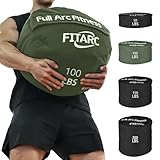
A sandbag is useful because its contents move. Heavy, shifting weight forces your grip, core and legs to adapt. A bag crammed too full turns rigid and loses that quality. One reviewer overstuffed a REP bag, found it too rigid and restored the shifting feel by removing about 20 percent of the sand. That suggests you should leave some room in the filler bag rather than packing it to the top.
Dust and mess
Sand is fine and can leak through weak seams. Many bags use a removable inner filler bag that closes with double hook-and-loop to keep sand from seeping out. Even so, a poorly sealed filler bag can leave grit in your garage or gym. Pea gravel creates less fine dust at first, although one forum user argues that it can break down and create its own dust over time.
Moisture, mold and smell
Play sand holds moisture, so damp sand stored in a closed bag can smell or grow mold. A source recommending the gravel-and-mulch blend says it does not retain moisture, which is the main reason people choose it. Whatever you use, store the bag dry and let it air out if it gets wet.
Durability of the shell
Many training bags use 1000D Cordura shells, which a reviewer says can handle drops, slams and throws. Sharp gravel against a thin inner liner is a different matter, since it can chafe the filler bag. That is why makers publish approved filler guidance and, in at least one case, void the warranty if you use pea gravel because more than 10 pounds of it fits in each fill bag.
Filler Options in Detail
Play sand
Play sand from a home-improvement store is the standard choice. Forum users describe it as easy to find and good in feel, and retailers sell it by the bag at low cost. Downsides are dust, moisture and a slow drying time. Look for dry sand and avoid construction sand with coarse particles unless the maker allows it.
Pea gravel
Pea gravel is a small, rounded stone. It pours easily and does not cake. A gym guide suggests it for bags that may get wet. The caution is that sharp or crushed gravel can wear liners, and some makers prohibit it. Read the manual first.
Rubber mulch
Rubber mulch is shredded or crumb rubber used in landscaping. It is far lighter by volume, so a bag full of mulch has a modest weight. One maker says mulch allows only about 40 percent loading capacity in the fill bag because it is so bulky. It suits beginners, kids’ programs and anyone who wants a full-feeling, light bag. It can have a rubber odor out of the bag.
Blends
Several sources recommend about two thirds pea gravel and one third rubber mulch. The mulch occupies space so the inner liner is fuller and does not slosh as much. Mixing in a bucket before filling gives an even blend. If the maker lists a maximum fill weight, stay within it.
Water and other options
Some filler bags are marketed for use with sand and water, such as the Iron Core Athletics fillers. If you try water, follow the filler maker’s guidance because seams must be designed to hold liquid. A reviewer who used IronMind’s bag with a mix of sand and rubber mulch reported that the shell handled both without leaking, which shows that mixed fills can work when the bag is built for them.
How to Fill a Sandbag Safely
- Read the sandbag maker’s instructions for maximum fill weight and approved filler.
- Use dry filler and a funnel or scoop to reduce mess.
- Fill the inner bags in smaller portions rather than one huge bag, so you can adjust weight.
- Leave some slack so the load can shift, rather than packing the bag tight.
- Seal each filler bag fully, then fasten the outer shell. Some people double-bag in heavy plastic liners for extra security.
- Weigh the bag with a scale if the target weight matters.
Lift with a neutral back, start light and progress gradually. Awkward loads can strain the back and shoulders, so ask a coach or a doctor if you have a spine or joint condition.
Budget Tiers
Budget
Play sand or rubber mulch at the lowest cost. Both are widely sold in garden and home-improvement sections. Budget bags such as those from Yes4All often come empty with handles, so you supply the filler.
Mid-range
Pea gravel plus mulch blends and premium inner liners cost a little more but reduce dust and moisture problems. REP Fitness and Rogue bags are popular, and reviewers name them for CrossFit-style use.
Premium
GORUCK bags are backed by the maker’s lifetime guarantee, and filler kits include a dedicated filler bag. Pre-filled options like the SandBell remove the filling step entirely.
Pick X If… Decision Table
| Pick this | If you want | Watch out for |
|---|---|---|
| Play sand | The cheapest, simplest fill | Dust and damp |
| Pea gravel | Less dust, wet-area storage | Warranty limits at some makers |
| Rubber mulch | A light, bulky beginner bag | Low loading capacity |
| Gravel and mulch blend | A stable, less soggy fill | Mixing two products |
| Pre-filled bag | No filling work | Fixed weight |
Storage and Maintenance
Keep filled bags off bare damp floors, because moisture wicks into the shell and the filler. If a bag gets wet, empty the filler bags, dry them and the shell, and refill with dry material. Check the inner liners for pinholes or worn corners every few weeks, especially if you use gravel. Label the weight on each filler bag so you know what you are lifting.
Alternatives
- Dedicated filler kits: GORUCK sells a sandbag kit with a filler bag in 20 to 100 pound options, per its product page.
- Weighted bags with built-in filler: Hyperwear SandBell for slams.
- Kettlebells or sandbells: If filling and shifting loads are a hassle.
- Empty bags with rubber handles: Budget shells where you add your own fill.
Frequently Asked Questions
What is the best filler for a sandbag?
Play sand is the most common because it is cheap and easy. A mix of pea gravel and rubber mulch is a popular alternative if you want less dust and moisture. Choose by cost, bag type and storage.
Can I use rubber mulch in a sandbag?
Yes, if the maker allows it. It is much lighter, so you will not reach high weights. It works for beginners or as a bulk filler mixed with gravel.
Will pea gravel damage my sandbag?
It can wear inner liners if the stones are sharp, and some makers void warranties when it is used. Check your bag’s instructions before filling.
How do I stop sand from leaking?
Use inner filler bags with double hook-and-loop closure, and consider double-bagging with heavy plastic. Inspect seams regularly and replace torn liners.
How full should I fill the bag?
Leave some room so the load shifts. One reviewer found a stuffed bag too rigid and removed about 20 percent of the sand. Stay under the maker’s maximum weight.
How do I keep sand from smelling?
Use dry filler, keep the bag out of damp areas and air it out. A gravel-and-mulch blend is reported to retain less moisture.





Write Your Review
No reviews yet. Be the first to share your experience!