

Key takeaways
- Ten Tokaido karate gis compared by fabric weight, cut and height-based sizing, from 10 oz Izumo to 14 oz Kata Master options, plus child and tall sizes.
For most adults, a 12 oz Tokaido Kata Master in the correct height band is the safe all-round pick, such as the Silver 4 / 170 cm or the JKA #2.5 and #3.5 options for shorter builds. Choose 14 oz for a heavier jacket and 10 oz for cooler training. One warning: the size numbers in these titles do not match across lines, so go by height.
Quick picks
Our top picks
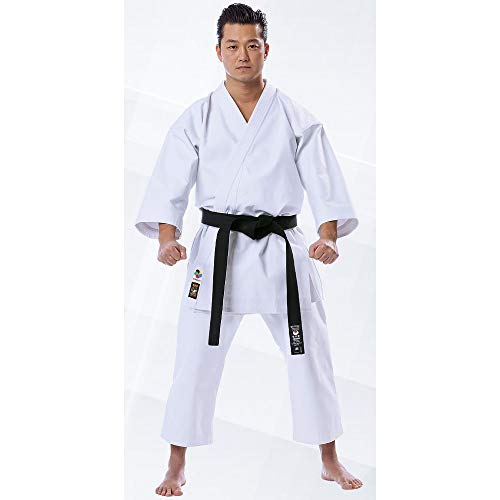 Tokaido Karate Gi WKF Kata Master Gi
- Official Tokaido Karate WKF Uniform
- WKF Approved for Competition
- 14oz fabric

 Tokaido Karate Gi Kata Master Silver 12oz
- Tokaido Martial Arts Product
- WKF Approved For Competition
- 12oz


 Tokaido Karate
- Authentic Hayashi-Ha Design: Officially approved for sanctioned events,…
- Premium Quality: Made from 100% cotton with a…
- Japanese Cut: Shorter sleeves and pants for enhanced…


As an Amazon Associate we earn from qualifying purchases at no extra cost to you.
- All-round adult: Kata Master Silver 12 oz (4 / 170 cm)
- Heavy fabric: WKF Kata Master 14 oz or JKA 14 oz
- Lightest cloth: KTW Izumo 10 oz
- For kids: Kumite Master (0 / 130) or Shoshin Pro (1 / 140)
All ten gis at a glance
| Model | Key point from title | Best for |
|---|---|---|
| WKF Kata Master 14 oz | Gold, #4, up to 5’8″ | Competition kata |
| KTW Izumo 10 oz | White, ISKF, #5 | Warm rooms |
| Kata Master Silver 4/170 | 12 oz, 170 cm | Average adults |
| Kumite Master 0/130 | Kumite name, 130 cm | Small children |
| Shoshin Pro 1/140 | White, 140 cm | Beginner kids |
| Hayashi-Ha 12 oz | #2.5, up to 5’2″ | Short adults |
| Kata Master Silver 6/190 | 12 oz, 190 cm | Tall adults |
| JKA Kata Master 12 oz | #2, up to 5’0″ | Small teens |
| JKA Kata Master 14 oz | #3.5, up to 5’6″ | Heavy jacket |
| Kata Master Black #7 | 12 oz, up to 6’6″ | Very tall |
The Tokaido lineup, listing by listing
Tokaido WKF Kata Master Gi, Gold, 14 oz (#4, up to 5’8″)
The title pairs the WKF name with a 14 oz Japanese-cut Kata Master in gold, size #4 for people up to 5’8″. The WKF reference points at competition use, but a listing is not proof that any event will accept the uniform, so check your organizer’s current rules. At 14 oz it is tied for the heaviest fabric in this group, and the title gives no color beyond the line name. Look for sleeve and trouser length details on the page, because height limits alone do not describe how the jacket drapes.
Pros
- Heaviest fabric weight listed, with Japanese cut
- Size given as an explicit height limit
Cons
- Heavy cloth can feel warm in summer dojos
- Competition acceptance must be verified
Who it’s for: kata competitors who want a substantial, structured jacket and will confirm the rules.
Tokaido Kata Gi, White, 10 oz, KTW Izumo (#5, up to 5’7″, ISKF)
The lightest fabric in the roundup at 10 oz, in white, Japanese cut, labeled as the KTW Izumo uniform with ISKF in the title. Notice the sizing: #5 here covers up to 5’7″, yet the WKF listing calls #4 up to 5’8″. Number and height do not line up across lines, so rely on the stated height. The ISKF mention suggests association use; confirm with your own dojo. Weight alone does not decide quality, so read buyer comments on stitching and collar stiffness. Check the ISKF wording.
Pros
- Lightest fabric, cooler for warm rooms
- White, Japanese cut
Cons
- Size numbers clash with other listings
- Lighter cloth gives a softer look than the 12 and 14 oz options
Who it’s for: ISKF-affiliated students or anyone who trains in a warm room.
Tokaido Kata Master Gi, Silver, 12 oz (4/170 cm)
A 12 oz Kata Master in silver, sized 4 / 170 cm. The title omits the cut and gives only a centimeter figure, which is about 5’7″. It is the middle weight of the three options here, which makes it the practical default for an adult who wants one gi for kata and everyday class. The same line appears again in size 6 / 190 cm, so check you are in the right listing. Also look at the listing for shrinkage notes, since cotton gis can change fit after washing. Double-check the centimeter size before checkout.
Pros
- Middle fabric weight
- Size shown in centimeters
Cons
- Cut is not named in the title
- Easy to order the wrong size from the near-identical listing
Who it’s for: average-height adults who want a straightforward training and kata gi.
Tokaido Kumite Master Gi (0/130 cm)
The only gi named for kumite, in size 0 / 130 cm, which is roughly 4’3″ and therefore a child’s size. The title gives no color, fabric weight or cut, so the name is the only guide to its intended use: sparring-style movement. A heavier kata cloth is not implied. Treat it as a child’s sparring gi and confirm the details on the listing page before ordering. Because the title lists no fabric weight, compare it with the other children’s listing before buying. Fabric weight is the key unknown, so open the page for it, along with sleeve length, and consider how quickly a child will outgrow the size.
Pros
- Sparring-oriented name
- Sized for small children
Cons
- No weight, color or cut in the title
- Only one size shown here
Who it’s for: parents of small students who spar and need a smaller gi.
Tokaido Shoshin Pro Gi, White (1/140 cm)
A white Shoshin Pro gi in 1 / 140 cm, about 4’7″. The title says nothing about fabric weight, so the lower price signals an entry-level role rather than a competition garment. Shoshin is a term associated with beginners, which fits. Check the listing before buying for the cloth weight and whether the pants have a drawstring or elastic waist, since neither is in the title. Confirm the pant waist style on the page, since neither the waist nor any belt is in the title. Many children outgrow a first gi within a year, so a lower-cost model makes sense, and the page should tell you the belt policy.
Pros
- Lowest-priced listing here
- White, standard beginner color
Cons
- Fabric weight is missing from the title
- Child-sized only in this listing
Who it’s for: young beginners who need a simple white gi.
Tokaido Hayashi-Ha Kata Master Gi, 12 oz (#2.5, up to 5’2″)
A 12 oz Japanese-cut Kata Master with Hayashi-Ha in the name, in size #2.5 for people up to 5’2″. The style name is the only thing that sets it apart from the other 12 oz options, and the title does not say what, if anything, differs in the cut or trim. For shorter adults and teens the size band is useful, since many adult sizes start taller. Look for a size chart on the page to see how the jacket length and sleeve compare with your arm. Check collar and cuff notes on the page.
Pros
- 12 oz Japanese cut
- Size suits shorter adults and teens
Cons
- Narrow height range
- Style naming may confuse buyers outside that tradition
Who it’s for: teens or shorter adults who want a 12 oz kata gi.
Tokaido Kata Master Gi, Silver, 12 oz (6/190 cm)
The tall counterpart of the 4 / 170 cm gi: same 12 oz Kata Master Silver, size 6 / 190 cm, about 6’3″. It is one of two tall options here, along with the black #7 for people up to 6’6″. The title gives no cut, so confirm that on the page. If you are between sizes, remember that centimeters here likely refer to height, not chest width. Check sleeve and leg length on the listing, since a taller frame can need more than a height number suggests. Expect it to run long on anyone under about 6’3″.
Pros
- Tall sizing for 6-footers
- Same mid-weight 12 oz cloth
Cons
- Cut is not stated in the title
- Near-duplicate of the 4 / 170 listing
Who it’s for: tall adults who want the 12 oz weight.
Tokaido JKA Kata Master Gi, 12 oz (#2, up to 5’0″)
A 12 oz Japanese-cut JKA Kata Master in size #2 for people up to 5’0″, the smallest adult-range height band in the roundup apart from the child sizes. The JKA label in the title suggests a traditional association link, but as with the WKF and ISKF listings, check your own requirements. It is a sensible option for small teens in the middle of a growth spurt. Buyer comments on how the size runs, and whether a belt is included, are worth reading. It is a specialist height band, so check that other listings do not fit you better.
Pros
- 12 oz Japanese cut
- Small adult and teen height band
Cons
- Easy to outgrow
- JKA naming does not guarantee event acceptance
Who it’s for: small teens or adults up to 5’0″.
Tokaido JKA Kata Master Gi, 14 oz (#3.5, up to 5’6″)
The JKA name returns here at the heavier 14 oz, Japanese cut, in size #3.5 for people up to 5’6″. Together with the gold WKF listing, it is the heaviest cloth on offer. The step from #3.5 to #4 is only two inches in the titles, so a person at 5’7″ has to choose carefully between listings. Check the listing for shrinkage and drying notes, because heavy cotton takes longer to dry. It sits only two inches from the next size, and shoppers near 5’6″ should read both listings. A heavy jacket suits indoor winter classes best.
Pros
- 14 oz Japanese cut
- Clear height limit in the title
Cons
- Heavy cloth runs warm
- Two-inch gap to the next size can be awkward
Who it’s for: mid-height practitioners who prefer a heavy, crisp jacket.
Tokaido Kata Master Gi, Black, 12 oz (#7, up to 6’6″)
A black 12 oz Japanese-cut Kata Master in size #7 for people up to 6’6″. It is the tallest option and the only black gi in the group, which matters because many dojos and events require white. Confirm any color rules before ordering. If you are tall but do not need black, the 6 / 190 cm silver may be easier to fit in a standard class. Look for a size chart and fabric notes, since black dye can behave differently in the wash. Check care notes before the first wash.
Pros
- Only black option in the group
- Tallest size band, up to 6’6″
Cons
- Black may be disallowed in some dojos and events
- Color fades more visibly with wear
Who it’s for: very tall practitioners with a dojo that allows black.
How we picked these
This list covers every Tokaido gi listing in the set, judged on published specifications, manufacturer documentation and buyer reviews. Sizes, weights and federation names are quoted from product titles only, and anything missing is flagged. Nobody on the team used or measured these units. Two Silver listings and several Kata Master variants are close duplicates, so we compare them by size and weight instead of pretending they differ. Prices were not a ranking factor, and we did not rank the listings against one another.
What to look for in a Tokaido karate gi
Fabric weight: 10, 12 or 14 oz
Fabric weight is the main difference in feel. Lighter cloth is cooler and easier to wash and dry. Heavier cloth drapes with more structure and gives the crisp look many kata practitioners like, but it runs warmer. Twelve ounces is the sensible middle. Remember that the title is the only source for weight here, so a listing without an ounce figure needs checking.
Size by height, not by number
The titles use #2 to #7 and also centimeter sizes, and they conflict: #5 covers up to 5’7″ while #4 covers up to 5’8″. Here is the height ladder from the titles: #2 up to 5’0″, #2.5 up to 5’2″, #3.5 up to 5’6″, #4 up to 5’8″, #7 up to 6’6″; and 0 / 130, 1 / 140, 4 / 170, 6 / 190 in centimeters.
Worked example: a 5’9″ adult
At 5’9″, the #4 listing (up to 5’8″) is already too short, and the 4 / 170 cm gi is about 5’7″. The listings jump from 5’8″ to the 6 / 190 cm Silver at about 6’3″, so a 5’9″ adult falls into a gap. Either look for other sizes of the same line on the product page, or go up to 6 / 190 cm and accept long sleeves and legs. Ask the seller before ordering between sizes, and keep the return policy handy.
Federation names and color rules
WKF, JKA and ISKF in a title describe the line or its association link, not event approval. White is the standard color; black may be banned in some places, and colored trim or patches may be restricted. Read your dojo’s and event’s uniform rules before ordering.
Care and fit after washing
Cotton can shrink, and heavier cloth can take a long time to dry. Follow the care label, wash cool, and size up only if the seller confirms the shrinkage. Allow room for deep stances, since a gi tight across the thighs restricts kicks.
Mistakes buyers make
Ordering by the size number instead of height. Assuming a federation name guarantees event approval. Choosing 14 oz cloth for a hot room. Forgetting that a child’s gi will be outgrown within a year. Buying black without checking dojo rules. Ordering heavy cloth for a hot summer class. Ordering the wrong Silver size because the two listings look identical. Washing hot and drying hard before the first class. Skipping the size chart. Treating a gi as a quick buy rather than a fit decision.
Verdict
The Silver 12 oz in 4 / 170 cm is the safest all-round starting point for average adults, with the JKA 12 oz sizes for shorter builds. Pick 14 oz for crisp kata and accept the warmth, 10 oz for warm rooms, and confirm competition rules yourself. Avoid the black #7 unless your dojo allows it, and check height limits against the stated heights before ordering anything.
Related guides
- Century Martial Arts Karate Sparring Gear
- Puzzle Foam Mats For Home Karate Practice
- How To Wash A Karate Gi Without Shrinking It
Frequently asked questions
What size Tokaido gi should an adult buy?
Go by height, not by the size number. Compare your height with the limits in the titles, such as up to 5’0″, 5’2″, 5’6″, 5’8″ or 6’6″, and with the centimeter sizes like 170 or 190. Since numbers differ between lines, check the listing’s size chart.
What do 10, 12 and 14 oz mean for a karate gi?
They describe fabric weight. Lighter cloth, like the 10 oz Izumo, stays cooler. Heavier 12 and 14 oz cloth hangs with more structure and crispness in kata. Check buyer comments if you train in a hot room.
Are these gis approved for competition?
The titles mention WKF, JKA and ISKF, but a listing is not an approval document. Rules change by event and year, so ask the organizer or your association for their current uniform requirements before you buy a competition gi.
Will a Tokaido gi shrink after washing?
Cotton gis may shrink by varying amounts. Follow the care label, wash cool, and hang to dry if the label allows it. If you are between sizes, ask the seller about shrinkage.
Is the Kumite Master gi only for sparring?
The name suggests it is designed for sparring-style movement, but nothing in the title prevents wearing it for regular class. It is listed only in a child’s size here, so confirm details such as fabric weight and cut on the listing page.




Write Your Review
No reviews yet. Be the first to share your experience!