

The best heavy bag for a home gym is a 70 to 100 lb fabric-filled hanging bag if you can mount it, and a base-filled freestanding bag if you cannot. Outslayer and Everlast are common choices for hanging bags, and the Century Wavemaster is the benchmark freestanding model. This guide covers weight, fill, mounting and room size so you can match a bag to a real garage, basement or spare room.
Our top picks


As an Amazon Associate we earn from qualifying purchases at no extra cost to you.
Quick comparison of home gym heavy bags
| Pick | Best for | Type | Size and weight | Price range |
|---|---|---|---|---|
| Outslayer filled heavy bag | Best overall hanging bag | Hanging, fabric fill | 44 x 14 in., 100 lb version available | Mid-range to premium |
| Everlast heavy bag | Best budget hanging bag | Hanging | Common sizes 70 to 100 lb | Budget |
| Everlast Heavy Thai leather bag | Best for kickers | Hanging, leather | Long Thai style | Mid-range |
| Century Original Wavemaster | Best freestanding value | Freestanding | 47 to 68 in. adjustable, base holds about 270 lb | Mid-range |
| Century Wavemaster XXL | Best freestanding for power | Freestanding | 69 in. tall, about 18 in. diameter | Premium |
| Everlast Power Core standing bag | Best budget freestanding | Freestanding, air foam | Height-adjustable, base over 300 lb capacity | Budget to mid-range |
Specs are drawn from maker listings; verify the exact variant before ordering, since sizes and fills differ within a model line.
Best overall hanging bag: Outslayer filled heavy bag
The Outslayer filled bag measures 44 by 14 inches in its common size and is available at around 100 lb, with lighter options too. It uses a fabric fill, which avoids the hard spots sand develops, and the brand offers a long warranty. It suits people who throw hard punches and kicks and want a bag that keeps its shape. The trade-off is that the cover has no bottom ring for an anchor strap on some versions, so the bag will swing more under heavy kicks.
Best budget hanging bag: Everlast heavy bag
Everlast offers a range of hanging bags at lower prices. A 70 lb bag is plenty for fitness boxing and technique work. The trade-off is that the cover and stitching are less durable than premium bags, and cheaper fills can settle into a firm core after months of use.
Best for kicks: Everlast Heavy Thai leather bag
The Thai-style leather bag is longer than a typical heavy bag, so it takes low kicks as well as body shots. The leather cover is durable and resists cuts. The trade-off is price and the extra height requirement, since it needs a tall ceiling.
Best freestanding value: Century Original Wavemaster
The Original Wavemaster has an adjustable height from about 47 to 68 inches in 3-inch steps, a rolling base and a base that holds around 270 lb when filled. It works well in apartments and rented homes because it needs no mounting. The trade-off is movement: hard kicks can shift it, and it takes a lot of floor space.
Best freestanding for power: Century Wavemaster XXL
The XXL is about 69 inches tall with an 18-inch diameter, built for harder hitters and taller users. It fits a larger striking area than the original. It has a long warranty from the maker. The trade-off is weight and cost, and reports note it can still move slightly under heavy use even when the base is full.
Best budget freestanding: Everlast Power Core
The Power Core standing bag uses an air-foam chamber and an adjustable height. It is a low-priced way to get a rebounding target in a small room. The trade-off is that it feels lighter than hanging bags and is not suited to heavy kicking.
How to choose a heavy bag for a home gym
Hanging or freestanding?
Hanging bags feel more realistic and last longer, but need a joist, beam or rated stand. Freestanding bags suit renters and low ceilings, but move more and rebound faster.
Pick the weight by body weight
Use roughly half your body weight as a guide. A 140 lb user would start with a 70 lb bag, a 180 lb user with 90 lb, and a 220 lb user with 100 lb or more.
Understand the fill
- Fabric fill: even density and the common choice for quality bags.
- Foam fill: lighter and softer, better for beginners.
- Sand or grain: very dense, but can compact into a hard core.
Plan your mounting
Use a heavy-duty ceiling hanger rated above the bag weight, a swivel and a short chain. Mount into a joist or beam, never into bare drywall. A wall-mounted bracket is an option when ceiling mounting is impractical.
Room size: a quick calculation
For a 4-foot hanging bag with a 1-foot chain you need about 5.5 feet of vertical clearance between mount and floor, and a ceiling of at least 7.5 feet to hang it with the bottom a few inches off the floor. Allow a 3-foot radius around the bag so you can move. That means a circle roughly 6 feet across, or a 7 by 7 foot square, for comfortable work. Freestanding bags need about the same floor area plus space to retreat.
Accessories worth buying
- Hand wraps and 14 to 16 oz bag gloves.
- A ceiling hanger, chain and swivel rated for the bag weight.
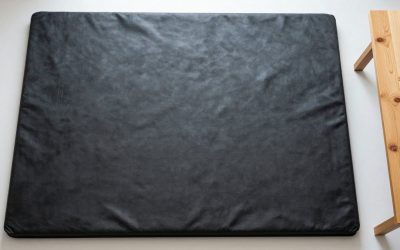
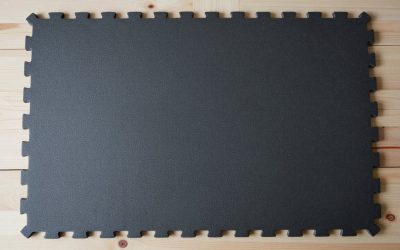
- A floor mat to protect the surface and reduce noise.
- Shin guards if you plan to kick at full power.
Decision matrix: match the bag to your home
| Your situation | Best choice | Weight guide | Watch for |
|---|---|---|---|
| Garage with joists, 8 ft ceiling | Hanging fabric-filled bag | 70 to 100 lb | Joist rating |
| Basement with low ceiling under 7 ft | Freestanding bag or short hanging bag | Base 200 to 300 lb | Clearance for swing |
| Rental apartment | Freestanding bag | Base filled with water or sand | Floor noise and movement |
| Kicking-heavy training | Thai-style long bag | 90 to 130 lb | Needs 8 ft+ ceiling |
| Family sharing, mixed skill | Mid-weight hanging bag with adjustable chain | 60 to 80 lb | Height adjustment |
Common mistakes with home heavy bags
- Mounting to bare drywall instead of a joist or beam.
- Picking a bag far heavier than your body weight, which jars wrists and shoulders.
- Leaving a sand-filled bag unmoved for years; it can pack into a hard core, so rotate and knead it.
- Forgetting a floor mat, which leads to scuffed flooring and louder impacts.
- Training without wraps because the gloves feel padded enough.
Noise and neighbors
A heavy bag transmits vibration through the ceiling and the floor. A rubber mat under the bag, a spring or shock absorber on the hanger, and training at reasonable hours all reduce complaints. Freestanding bags on a mat are quietest, but even they thump on concrete without padding.
Hardware checklist before the first hang
- Ceiling hanger or beam clamp rated at least double the filled bag weight.
- Chain of 12 to 18 inches with a swivel, so the bag can rotate without twisting the straps.
- A spring or shock absorber to reduce the jolt that loosens fasteners over time.
- Lag bolts of at least 3/8 inch into solid wood, not into plaster or thin board.
Frequently Asked Questions
How heavy should a home heavy bag be?
Aim for roughly half your body weight. Most adults do well with 70 to 100 lb. Lighter bags swing more, and heavier ones resist more.
Are freestanding bags as good as hanging bags?
They are convenient but not identical. Hanging bags feel more natural for power shots and kicks, while freestanding bags are better for small spaces and quick combinations.
Can I hang a heavy bag from a drywall ceiling?
Not directly. Attach it to a joist, a beam or a rated stand. A bag over 70 lb can pull down unsupported drywall.
What fill is best for a heavy bag?
Fabric fill is the most even and durable choice for most users. Sand fill is dense but can form hard spots.
How long does a heavy bag last?
With regular training, a good bag often lasts five years or more. Straps and seams typically wear first, so inspect them and replace worn hardware.




Write Your Review
No reviews yet. Be the first to share your experience!