

Key takeaways
- A makiwara is one of the oldest and simplest pieces of karate equipment: a padded striking surface fixed to a wall or post, used to practice focus.
A makiwara is one of the oldest and simplest pieces of karate equipment: a padded striking surface fixed to a wall or post, used to practice focus, alignment, and the feel of a clean strike. The shopping decision looks easy until the listings start to differ. Some boards are long and slim, some are short and wide, some hang from a hinged clapper mount, and a few are canvas-covered pads that look more like a training dummy than a traditional post. Choosing among the best makiwara boards means deciding how you will mount it, how much wall you can spare, and how traditional you want the striking surface to feel.
This guide is written for home dojo builders, garage trainers, and club members who want a wall-mounted board for practice between classes. It compares nine listings from the market in 2026 and narrows them to seven worth a closer look, based strictly on the dimensions, wood type, and mounting style stated in each title. Every board here is a training tool for striking technique, so the sensible approach is to start gently, follow your instructor’s guidance on progression, and let the surface and your technique develop together.
Quick Picks
Our top picks




As an Amazon Associate we earn from qualifying purchases at no extra cost to you.
| Product | Best for | Key spec from the title |
|---|---|---|
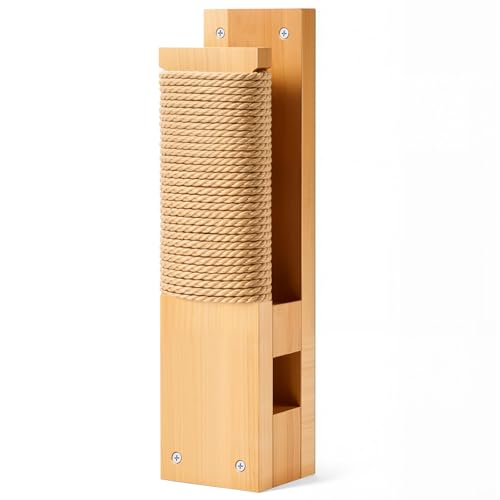
| SiliFine Wall Mount Makiwara | Small walls and first boards | 14.5 x 5 inch solid beech, pre-drilled holes |
| Leinuosen Wall Mount Makiwara | Traditional full-length feel | 17.7 x 4.4 inch punching board |
| MR 11 x 4 Clapper Mount | Portable, compact setups | 11 x 4 inch clapper mount |
| MR Wall Mount 18 x 4.5 | Longer strike area on a fixed wall | 18 x 4.5 inch clapper mount |
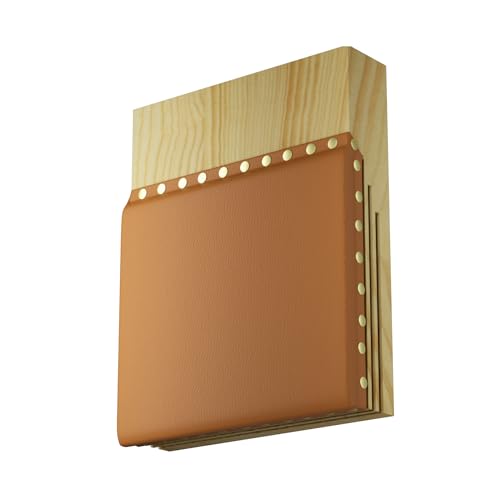
| MR 12 x 9 Clapper Mount | A wider target for varied strikes | 12 x 9 inch clapper mount |
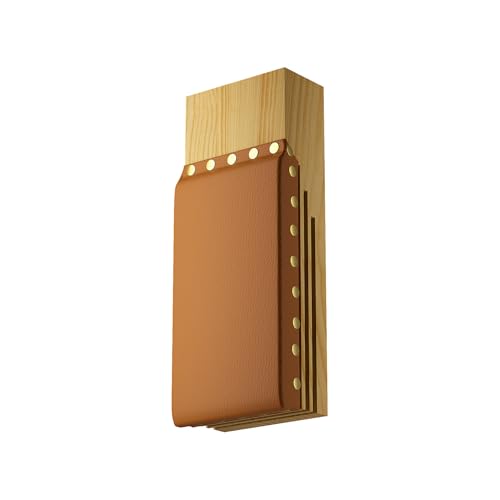
| Proforce Pro Canvas Makiwara | A cushioned, blank canvas surface | Small canvas board, white, blank |
| Pro Makiwara Board (Karate Letters / Dragon) | Decorated boards for a themed dojo | Printed Karate Letters and Dragon designs |
How to Choose
Mounting style and wall strength
Wall mounting is the first filter. A solid board fixed straight to the wall transfers force into the structure behind it, so the fasteners need to reach studs or masonry, not just drywall. Pre-drilled holes, as listed on the SiliFine board, save a step because the hole spacing is already set. Clapper mounts, which several boards here use, add a hinged section that lets the board move slightly on impact. Whatever the style, locate studs first, use hardware matched to your wall type, and re-tighten fasteners periodically as the board settles.
Board length, width, and what you plan to strike
Lengths in this group run from 11 inches to roughly 18 inches, with widths between 4 and 9 inches. A narrow board of about 4 to 5 inches concentrates practice on a single striking area and suits traditional punching drills. A 9-inch width gives more room for varied angles. Taller boards cover more height for stance changes; short boards are easier to hang in tight corners. Measure the wall area you can dedicate, including clearance on both sides so a swing never reaches a door frame or a light switch. Standing room matters as much as wall room: mark out the stance you plan to use and make sure the floor in front of the board is clear, dry, and non-slip.
Wood and surface material
Beech appears in several titles, and the listings describe it as hard and deformation-resistant, which is the point of a traditional board: the wood should hold its shape as the striking surface develops. Canvas-covered options trade hardness for a cushioned feel and are often chosen by people who want to practice form without much resistance. Ignore decorative graphics if your goal is plain technique work, and check the listing photos for how the edges are finished, because rough or splintered edges are a sign a budget board cut corners.
Progression, instruction, and care
No spec on a title can substitute for a good progression plan. Hand conditioning is a gradual process, and buyers should follow an instructor’s direction on intensity, rest, and technique rather than regarding any board as a shortcut. Wrap or protect hands if your instructor advises it, stop if something hurts, and talk to a medical professional about any joint or bone questions. Budget boards tend to skimp on edge finishing and mounting hardware, mid-range options add pre-drilled holes and better hardwood, and premium boards often add hardware or finishing that is worth checking on the listing.
The 7 Best Options
SiliFine Wall Mount Makiwara
The SiliFine board is a 14.5 by 5 inch piece of solid beech with pre-drilled holes, which makes it a practical entry point for anyone mounting a first board. The listing positions it as home martial arts training equipment, and the drilled holes mean setup is mostly a matter of finding studs and choosing screws.
- Strength: solid beech construction, as stated in the title, in a footprint that fits a modest wall section.
- Strength: pre-drilled holes remove the guesswork from fastener placement.
- Trade-off: at 14.5 inches long it offers less height than the longest boards in this group.
Skip it if you want a much taller striking surface for stance work at different heights.
Leinuosen Wall Mount Makiwara
Leinuosen lists a 17.7 by 4.4 inch traditional punching board aimed at adult martial arts practice, and describes it as a strike pad for karate-style training. The longer, narrow format is the classic makiwara silhouette.
- Strength: 17.7 inch length gives more vertical room than the shorter SiliFine and MR 11 inch options.
- Strength: the narrow 4.4 inch width keeps attention on one clean striking line.
- Trade-off: the visible title does not say which wood is used, so check the listing for material details.
Skip it if you need a board that fits on a small wall or travels between rooms.
MR 11 x 4 Clapper Mount Makiwara
This compact clapper-mount pad is described as portable and suited to karate and wing chun practice. At 11 by 4 inches it is the smallest board here, which matters in apartments and shared garages.
- Strength: the smallest listed footprint, easy to position where wall space is limited.
- Strength: the clapper mount gives a hinged style of attachment for those who prefer it.
- Trade-off: the short length leaves little room for adjusting strike height.
Skip it if several students of different heights will share the same board.
MR Wall Mount 18 x 4.5 Makiwara
The longest board in this group, listed at 18 by 4.5 inches, uses a traditional clapper mount and is described as a wall-fixed training board. It suits a dedicated training corner where the wall can be committed to one purpose.
- Strength: the largest listed length gives the most room for height adjustments in stance.
- Strength: traditional clapper mount design stated in the title.
- Trade-off: it needs a longer clear stretch of wall than the compact alternatives.
Skip it if your only free wall space is a narrow gap between furniture.
MR 12 x 9 Clapper Mount Makiwara
At 12 by 9 inches, this board is the widest option listed, with a clapper-mount design for karate and wing chun practice. The extra width suits trainers who want a broader target.
- Strength: 9 inches of width allows a range of striking angles on a single board.
- Strength: compact length of 12 inches keeps it manageable on the wall.
- Trade-off: the wide, short shape is less traditional than the slim long boards.
Skip it if you want the classic narrow-post feel for single-line punching practice.
Proforce Pro Canvas Martial Arts Makiwara
The Proforce board is a canvas-covered makiwara sold in a small size with a blank white surface. Compared with the wooden boards, it appeals to trainers who prefer a covered, cushioned target.
- Strength: canvas covering offers a different feel from bare hardwood.
- Strength: the blank white face suits clubs that add their own markings or school logo.
- Trade-off: the title lists it as the small size, so check the listing dimensions against your wall.
Skip it if you want a bare hardwood striking surface.
Pro Makiwara Board, Karate Letters and Dragon
These two listings share a name and differ in artwork: one carries Karate lettering, the other a dragon. Beyond the printed designs, the titles give no dimensions, so the decision rests on the look you want and the details inside the listing.
- Strength: the printed artwork makes a themed dojo wall easy.
- Strength: two design choices under one product name.
- Trade-off: no size or wood type appears in the title, so confirm both on the listing.
Skip them if you need exact specs visible before you commit.
Which One Fits Your Situation
You have one small wall in a garage corner
The MR 11 x 4 Clapper Mount is the most space-friendly option, and its portable listing makes relocating it easy. If you prefer a slightly longer solid board, the SiliFine fits a similar corner.
You are building a permanent home dojo
The MR Wall Mount 18 x 4.5 gives the longest strike area, and it commits you to a traditional clapper-mounted setup. Pair it with proper stud mounting and a clear floor space.
You want to start with minimal setup effort
The SiliFine board, with pre-drilled holes and solid beech, is the simplest path from box to wall.
You run a club and want something visually branded
The Proforce canvas board with its blank white face can be marked to suit a school, while the decorated Pro Makiwara boards give a ready-made theme.
Common Mistakes
- Mounting into drywall alone instead of studs or masonry, which risks the board pulling loose.
- Ignoring clearance beside and in front of the board, so swings reach nearby objects.
- Buying on artwork without confirming dimensions and wood type on the listing.
- Training too hard too early instead of following an instructor’s progression plan.
- Forgetting to recheck fasteners after the first few weeks of use as the board settles.
- Choosing the longest board available without confirming that the ceiling height, door swing, and nearby furniture leave enough room for a full stance in front of it.
Related guides
- Puzzle Foam Mats For Home Karate Practice
- Century Martial Arts Karate Sparring Gear
- How To Wash A Karate Gi Without Shrinking It
Frequently Asked Questions
What is a makiwara used for?
It is a fixed striking surface used in karate and related arts to practice alignment, focus, and form. Instructors usually decide how and how often students use it.
Does the wall need studs?
Fixing into studs or masonry is the safest general approach for a board that takes repeated strikes. Check the hardware that comes with the listing and match it to your wall type.
Is a clapper mount better than a fixed board?
Neither is universally better. A clapper mount adds a hinged section, while a fixed board is simpler. Choose based on the style your instructor teaches.
Can beginners use these boards?
Beginners can, but they should start under an instructor’s guidance, build up slowly, and stop if something hurts. A medical professional can answer questions about hands or joints.
More from Amazon
Programs that pair well with the guide above. Offers and eligibility are set by Amazon and may change.
Free shipping on eligible items, Prime Video and more. Eligible new members can start with a free trial.
Start a Prime free trialA Prime membership for ages 18-24 with a trial period. Eligibility is set by Amazon.
See Prime for Young AdultsAudiobooks and podcasts to listen to on the go. Eligible new members can start with a free trial.
Try Audible freeAd-free music streaming. Eligible new subscribers can start with a free trial.
Try Music Unlimited freeAs an Amazon Associate we earn from qualifying purchases.
Write Your Review
No reviews yet. Be the first to share your experience!